

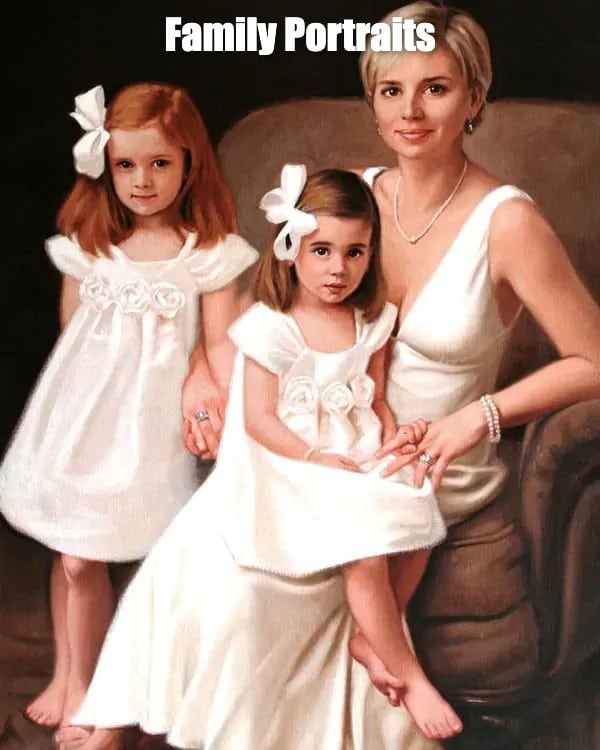
Commissioning a Portrait in West Virginia
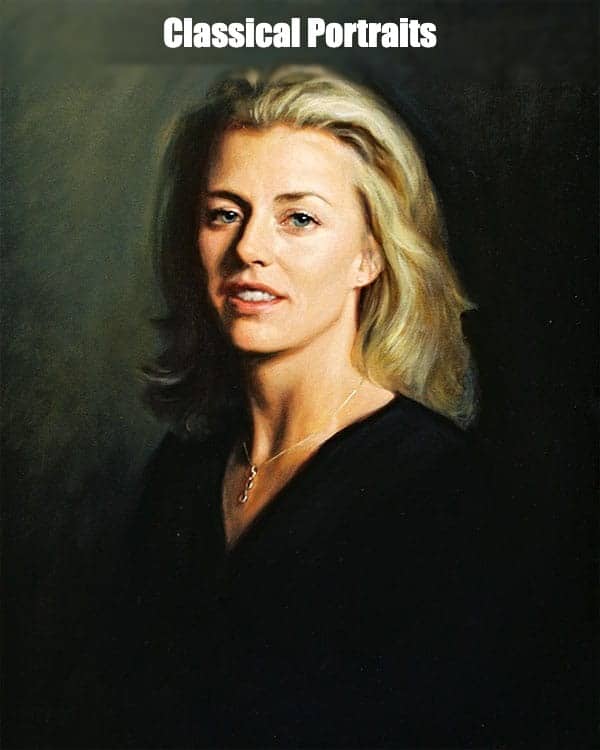
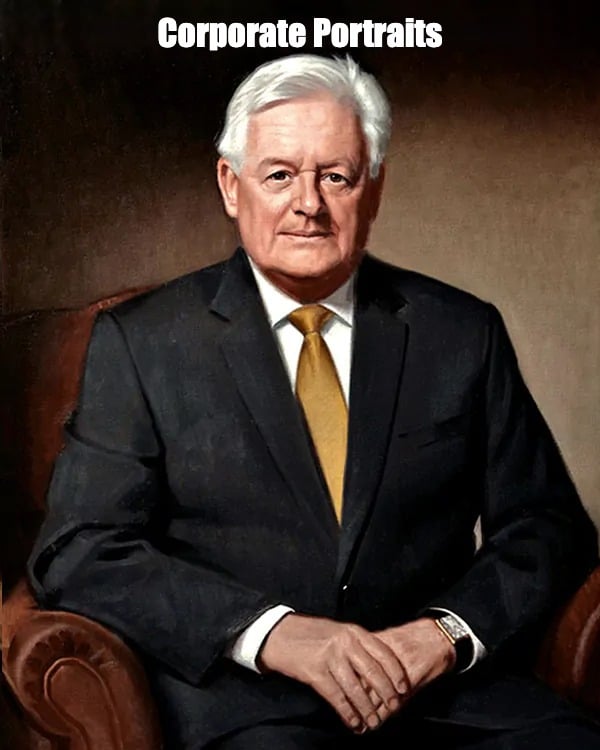
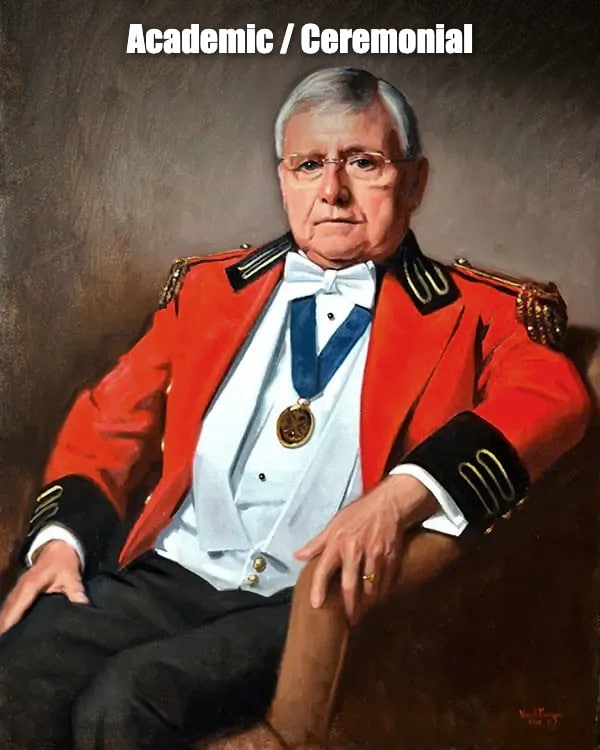
Hazel Morgan provides a bespoke portrait painting service to clients throughout West Virginia. An award-winning artist with over four decades of professional experience, Hazel creates hand-painted oil portraits of exceptional quality for individuals, families, corporations, and institutions across the state.
From the boardroom to the family home, Hazel’s portraits have graced the walls of distinguished collectors, university halls, and corporate headquarters throughout West Virginia. Each commission begins with a personal consultation and results in a work of enduring artistic merit.
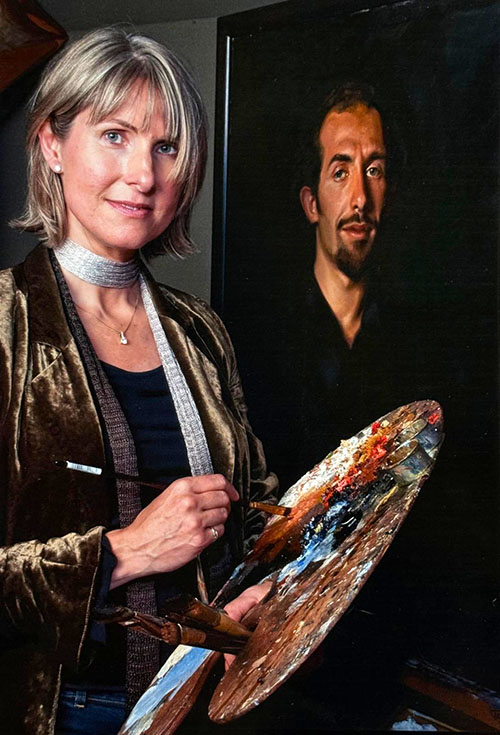
How to Commission a Portrait from West Virginia
Commissioning a portrait from Hazel Morgan is a collaborative and enjoyable experience, regardless of where you are located in West Virginia. The process has been refined over hundreds of commissions to ensure a seamless experience for every client.
Step 1: Initial Consultation
The process begins with a complimentary consultation - by telephone, video call, or email - during which Hazel discusses your vision for the portrait. This covers the subject, preferred composition, size, background, clothing, and any particular details you would like to include. There is no obligation at this stage.
Step 2: Photographs & References
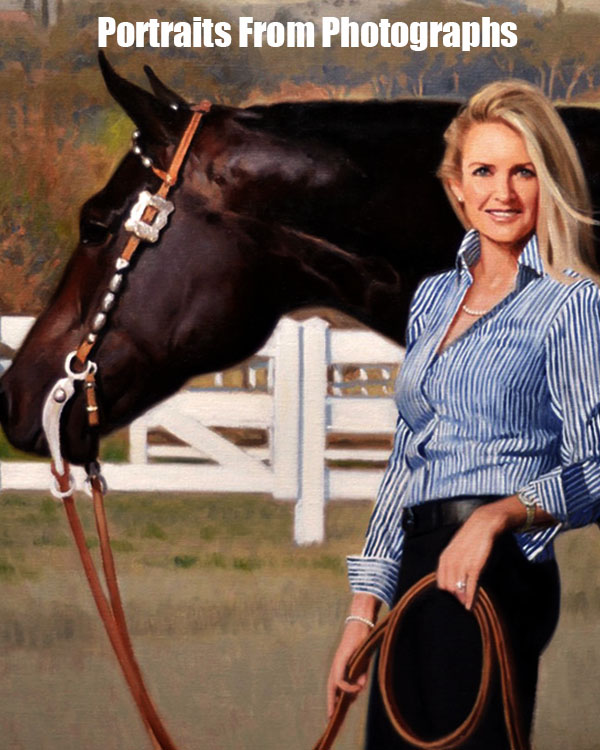
For clients in West Virginia, Hazel can work from professional photographs, high-quality personal photographs, or a combination of multiple reference images. She provides clear guidance on the types of photographs that produce the best results. Where feasible, live sittings can also be arranged.
Step 3: The Painting Process
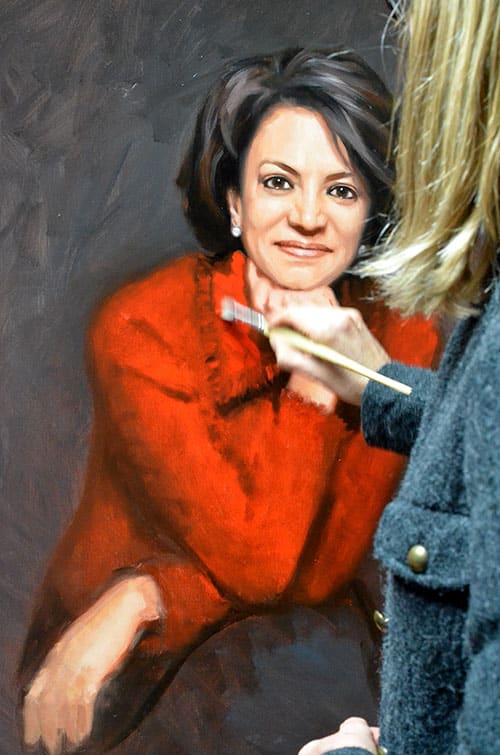
Once the composition is agreed, Hazel begins painting. The process typically takes between six and twelve weeks depending on the complexity of the piece. Clients receive progress photographs at key stages so you can see the portrait taking shape and provide feedback before completion.
Step 4: Delivery & Framing
Completed portraits are professionally packaged for shipping. Shipping and framing costs are provided once the painting is complete. Hazel can also recommend master framers who specialise in fine art framing to complement your finished portrait. Clients in West Virginia typically receive their portrait within one to two weeks of completion.
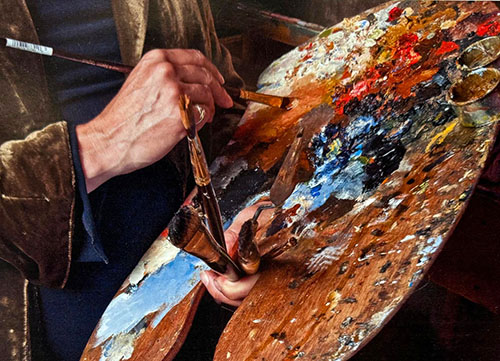
Why Clients in West Virginia Choose Hazel Morgan
Hazel Morgan brings a rare combination of artistic excellence, professional reliability, and personal warmth to every commission. Here is what sets her apart:
Over 40 years of professional experience - Hazel has been painting portraits professionally since the early 1980s, amassing a body of work that spans hundreds of commissions for private, corporate, and institutional clients worldwide.
Award-winning recognition - Her work has been exhibited at the Royal Society of Portrait Painters, the Royal Institute of Oil Painters, and other prestigious venues. She is a member of several leading art societies.
A personal, one-to-one service - Unlike studio operations, every portrait is painted entirely by Hazel herself. You deal directly with the artist from first consultation through to delivery, ensuring your vision is faithfully realised.
International shipping expertise - Hazel regularly ships completed portraits to clients across the United States, United Kingdom, Europe, and beyond. Every painting is professionally packaged to arrive in perfect condition.
Complete satisfaction guaranteed - Hazel works closely with each client throughout the painting process. Progress images are shared at every stage, and adjustments are made until you are completely happy with the finished portrait.
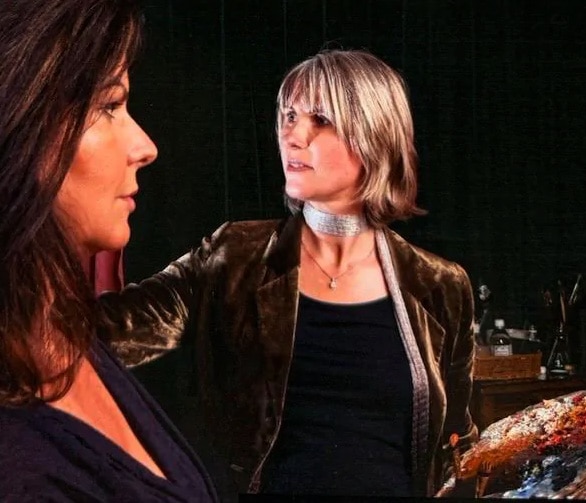
Frequently Asked Questions - Portrait Commissions in West Virginia
Hazel provides personalized quotations after an initial telephone consultation, during which she discusses your specific requirements. The consultation is complimentary and entirely without obligation. Please get in touch to arrange a convenient time to talk.
Not at all. The majority of Hazel’s commissions are painted from photographs, which makes the process convenient for clients in West Virginia and beyond. Hazel provides guidance on the best types of photographs to supply. Live sittings can be arranged where practical.
Most portraits are completed within six to twelve weeks from the start of painting, depending on the complexity of the commission. Hazel provides a realistic timeline during the initial consultation. Rush commissions can sometimes be accommodated for special occasions.
Hazel has extensive experience working with a range of photographic references, including older or lower-resolution images. She can often combine multiple photographs to create a single cohesive portrait. During the consultation, she will advise on whether your available photographs are suitable.
Completed portraits are professionally packaged using custom-built crating and shipped via insured courier directly to your address in West Virginia. Shipping and framing are quoted separately after the portrait is completed.
Client satisfaction is paramount. Hazel shares progress photographs at key stages throughout the painting process so you can provide feedback and request adjustments. This collaborative approach means that by the time the portrait is complete, it faithfully reflects your vision.
Why Hazel Loves West Virginia
Hazel admires West Virginia for its quiet, unhurried honesty - a quality she finds rare and deeply refreshing. There is something about the mountain hollows, the winding rivers, and the weathered front porches that strips everything back to what truly matters. People here carry their stories openly, without pretense, and for a portrait artist, that kind of authenticity is everything. When Hazel looks at a face shaped by real experience - by hard winters, close community, and genuine pride in where you come from - she sees exactly the kind of character she wants to put on canvas. West Virginia reminds her, again and again, why she fell in love with portraiture in the first place.
Hazel loves the warmth her West Virginia clients bring to every sitting. They arrive ready to talk, ready to laugh, and completely uninterested in performing a version of themselves. That ease makes her work richer and more truthful. She has spent time in Charleston, where the Culture Center and State Museum reflects such a genuine respect for local heritage and the people who shaped it. That same spirit - of honoring ordinary lives as worthy of remembrance - runs through everything she does as a painter. Sitting across from a West Virginian who simply wants to be seen clearly, without flattery or artifice, is one of her favorite experiences as an artist.
Hazel also admires the landscapes that surround her clients' lives, because those landscapes quietly appear in the people themselves. The rolling Allegheny Mountains, the mossy banks of the Greenbrier River - these places leave a mark on a person's bearing, their patience, their way of holding still. She has wandered through the trails near New River Gorge National Park and felt the same sense of layered depth she tries to reach in a finished portrait. The land and its people share a kind of quiet grandeur that she finds endlessly moving.
Hazel also loves that West Virginia continues to surprise her. Bluegrass music drifting from a porch in Lewisburg, a stranger offering directions before you even ask - these small moments build into something larger. They remind her that great portrait work is really just careful, loving attention to another human being. West Virginia teaches her to slow down and pay that attention well.
Ready to Commission Your Portrait?
Begin with a complimentary, no-obligation consultation. Hazel would love to discuss your portrait ideas and provide a personalized quotation for clients in West Virginia.
Request a Free ConsultationWest Virginia Counties Hazel Paints Portraits In
Barbour, Berkeley, Boone, Braxton, Brooke, Cabell, Calhoun, Clay, Doddridge, Fayette, Gilmer, Grant, Greenbrier, Hampshire, Hancock, Hardy, Harrison, Jackson, Jefferson, Kanawha, Lewis, Lincoln, Logan, Marion, Marshall, Mason, McDowell, Mercer, Mineral, Mingo, Monongalia, Monroe, Morgan, Nicholas, Ohio, Pendleton, Pleasants, Pocahontas, Preston, Putnam, Raleigh, Randolph, Ritchie, Roane, Summers, Taylor, Tucker, Tyler, Upshur, Wayne, Webster, Wetzel, Wirt, Wood and Wyoming.
Towns in West Virginia Where Hazel’s Portrait Clients Live
Charleston, South Hills, Edgewood, Kanawha City, Loudendale, South Charleston, Dunbar, Nitro, Hurricane, Teays Valley, Scott Depot, Huntington, Ritter Park, Barboursville, Milton, Parkersburg, Vienna, Williamstown, Wheeling, Woodsdale, Oglebay, Bethlehem, Weirton, Morgantown, Cheat Lake, Star City, Fairmont, Clarksburg, Bridgeport, Buckhannon, Elkins, Davis, Thomas, Canaan Valley, Snowshoe, Marlinton, Lewisburg, Ronceverte, White Sulphur Springs, Bramwell, Bluefield, Princeton, Beckley, Fayetteville, Oak Hill, Hinton, Summersville, Martinsburg, Shepherdstown, Charles Town, Harpers Ferry and Berkeley Springs.
The Greenbrier, Bramwell and the West Virginia Portrait
West Virginia is the only state that came into being by seceding from a secession. When Virginia left the Union in 1861 the western counties refused to go, formed their own government, and were admitted as a separate state in 1863. That act of stubbornness explains a good deal about the place.
The land is Shawnee, Cherokee and Seneca hunting ground, mountainous enough that it was never plantation country. Scots-Irish and German families came down the valleys from Pennsylvania and Virginia in the eighteenth century, and the small-farm, small-church, fiercely independent culture they built is still legible. George Washington surveyed here as a young man and took the waters at what is now Berkeley Springs.
The mineral wealth arrived in the 1870s with the railways. Coal from the Pocahontas seam in McDowell and Mercer counties was among the finest steam coal in the world, and it built fortunes very fast. It also produced a century of company towns, mine wars and the largest armed uprising in America since the Civil War, at Blair Mountain in 1921, when some ten thousand miners fought for the right to organise.
Bramwell is what the money looked like. A small town in Mercer County of a few hundred people, it is said to have had more millionaires per head than anywhere else in America around 1900 - coal operators who built stone and half-timbered mansions with imported fittings, indoor plumbing before most cities had it, and a bank that shipped payroll by private rail car. Most of the houses survive, and the town is on the National Register.
The Greenbrier at White Sulphur Springs is the state’s grandest institution. People have taken the waters there since 1778; twenty-eight presidents have stayed; and in 1948 Dorothy Draper redecorated it in the vast pink-and-green romantic style that made her the most famous decorator in America. Beneath the west wing, the federal government built a bunker in 1959 to house the entire United States Congress in the event of nuclear war, and kept it secret for thirty-three years.
Glass is the craft the state is best at. Blenko at Milton has been blowing glass by hand since 1893 and made the stained glass for Washington National Cathedral, the Air Force Academy chapel and hundreds of churches. Fenton at Williamstown made art glass for over a century. Homer Laughlin at Newell, once the largest pottery in the world, still makes Fiesta ware. All of it is skilled handwork, and it has kept a tradition of craftsmanship alive here that outlasted the mines.
The museums are modest and worth knowing. The Huntington Museum of Art is the largest in the state, with a good American collection and a Walter Gropius-designed wing. The Oglebay Institute at Wheeling holds glass and decorative arts. Tamarack at Beckley, a purpose-built centre opened in 1996, sells juried work by West Virginia makers only, which is an idea more states should have copied.
The landscape is the state’s other asset and it is spectacular. The New River Gorge became a national park in 2020 - the newest in the system - and the river running through it is among the oldest on earth. Blackwater Falls, Seneca Rocks, Dolly Sods and the Monongahela National Forest give the eastern highlands a character closer to Maine than to the South.
Pearl S. Buck was born at Hillsboro in Pocahontas County in 1892 and became the first American woman to win the Nobel Prize in Literature. Her birthplace is preserved. It is a reminder that the state has exported talent for as long as it has exported coal.
Commissions come from a handful of areas. Charleston’s South Hills and Edgewood. Huntington around Ritter Park. Morgantown and Cheat Lake. Wheeling’s Woodsdale and the Oglebay area. The Eastern Panhandle - Shepherdstown, Charles Town, Martinsburg - which increasingly belongs to the Washington orbit. Lewisburg and White Sulphur Springs in the Greenbrier valley. And Snowshoe and Canaan Valley, where the second homes are.
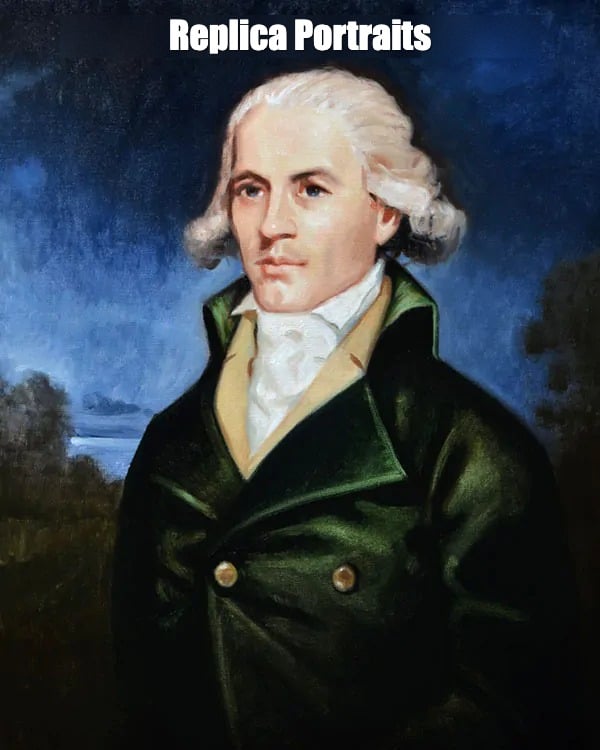
Institutional portraiture is well established: West Virginia University, Marshall, Shepherd, West Virginia Wesleyan, the Greenbrier Military School tradition, the WVU and Charleston medical centres, the state capitol - Cass Gilbert’s building of 1932, whose gold leaf dome stands five feet higher than the national one - the federal courts and the older Charleston firms.
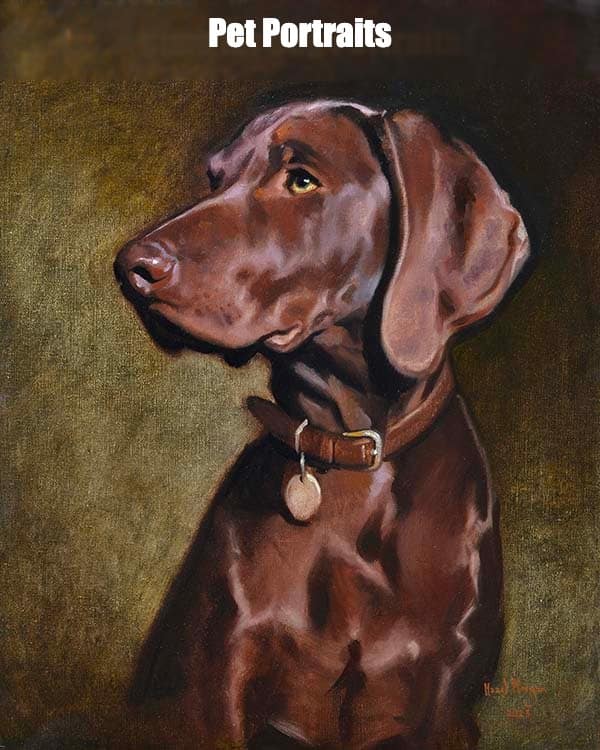
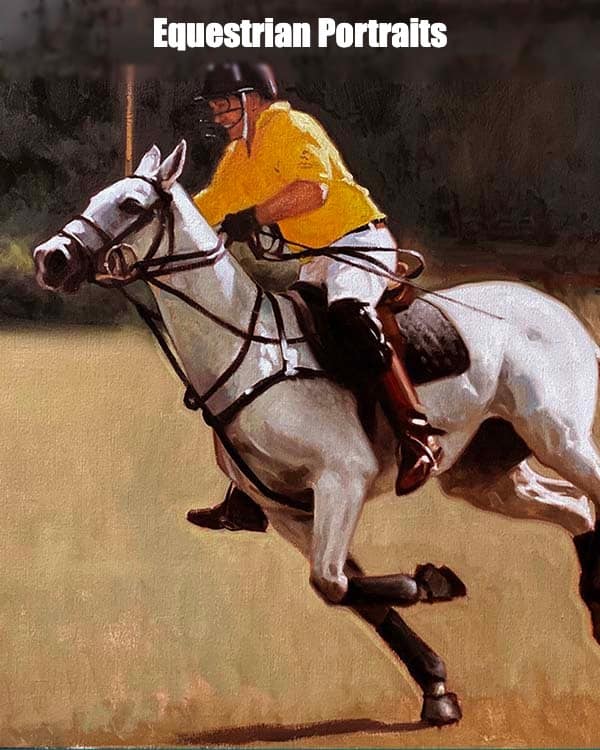
The characteristic West Virginia commission is a family one, tied to a place. A farm in the Greenbrier valley, a camp on the Elk or the Cranberry, a house in a coal town where four generations were raised. Hunting dogs feature, and so do horses in the eastern counties. What people want, mostly, is a picture that says a family stayed - which, given the state’s history of people leaving, is the most meaningful thing a portrait here can do.