

Oil Paintings from Photos
DRAG SLIDER FOR BEFORE & AFTER
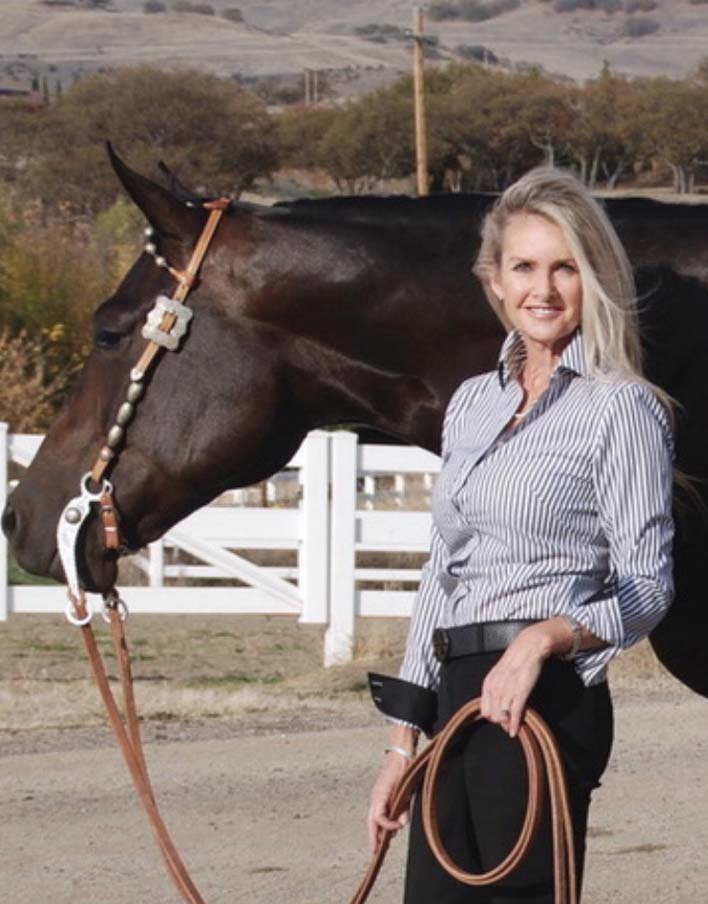


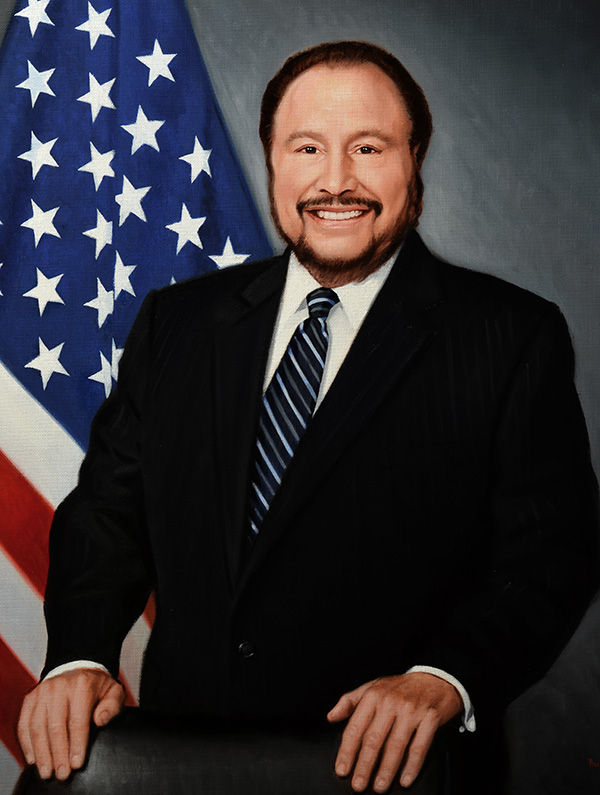
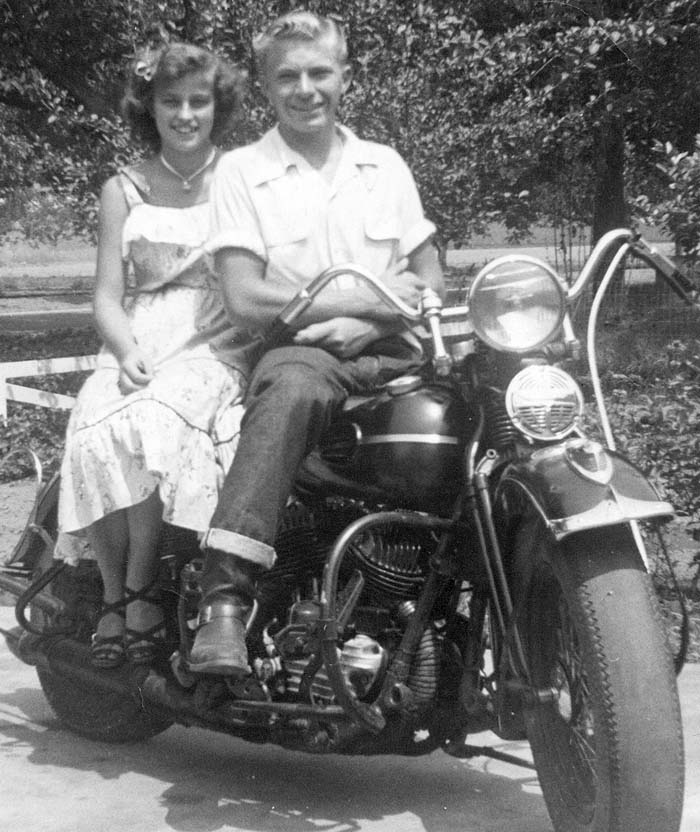
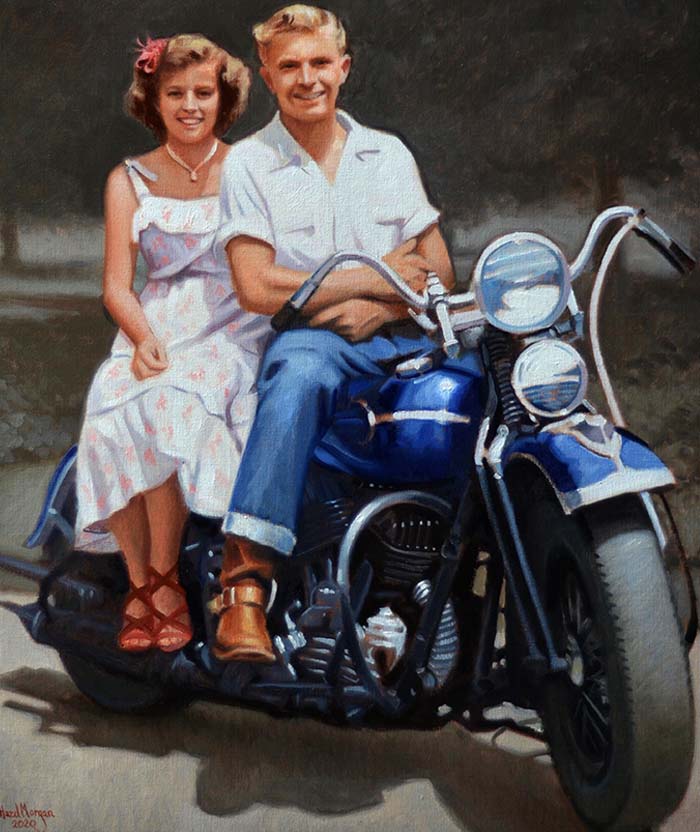
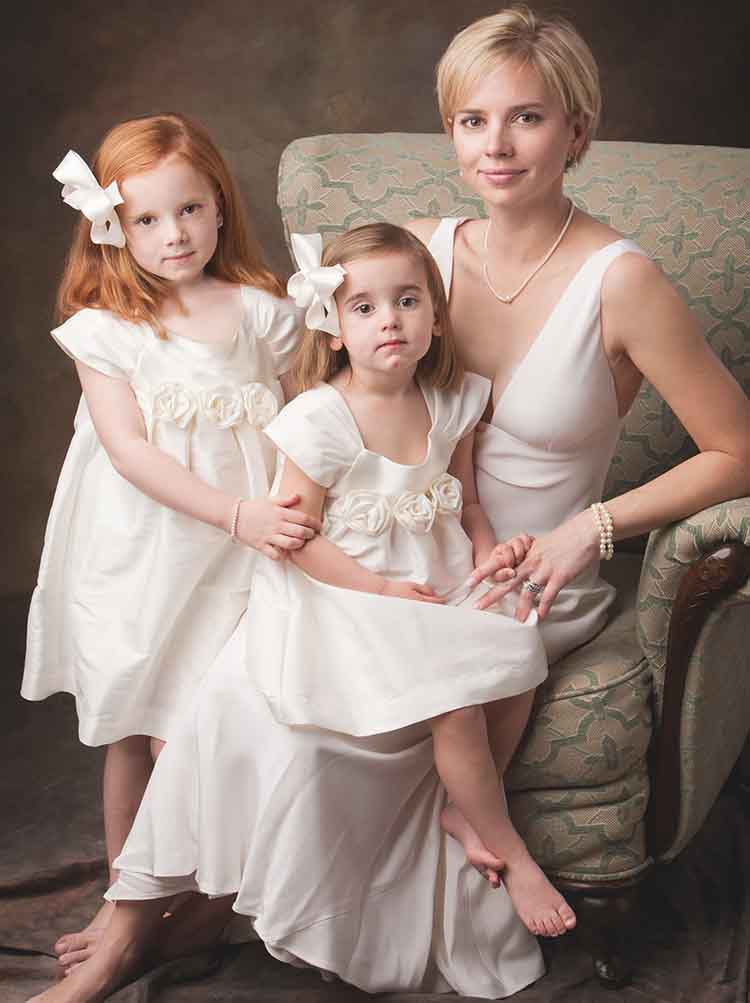
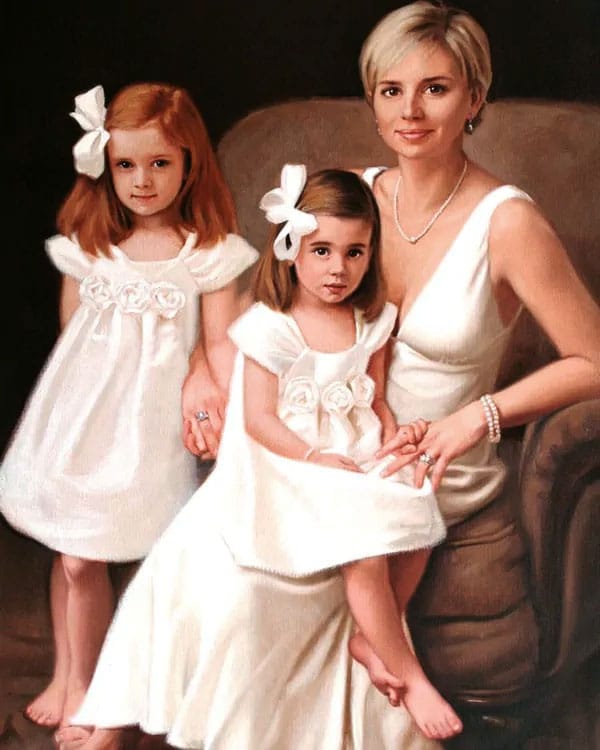
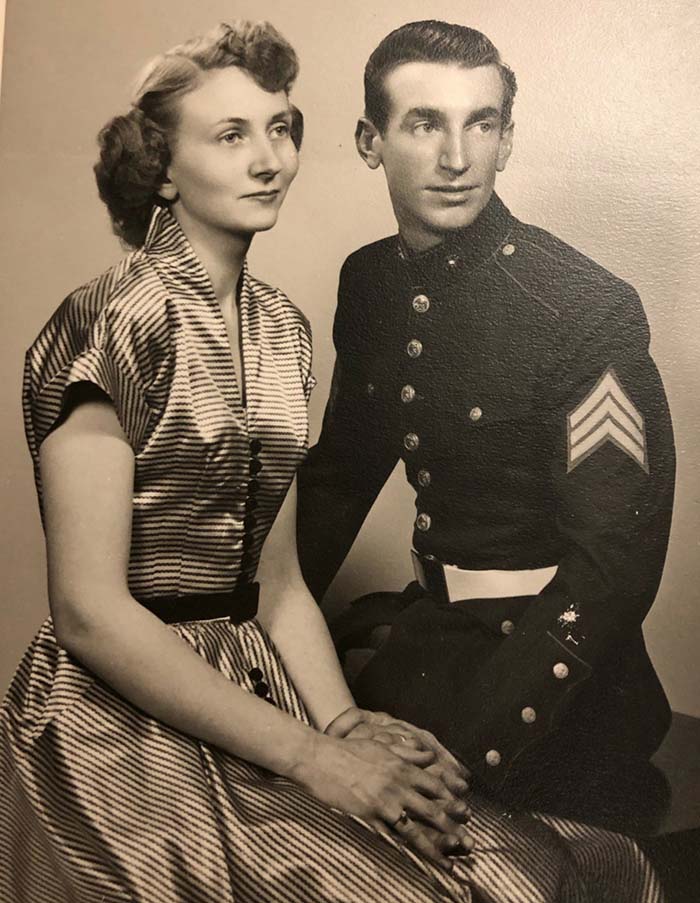

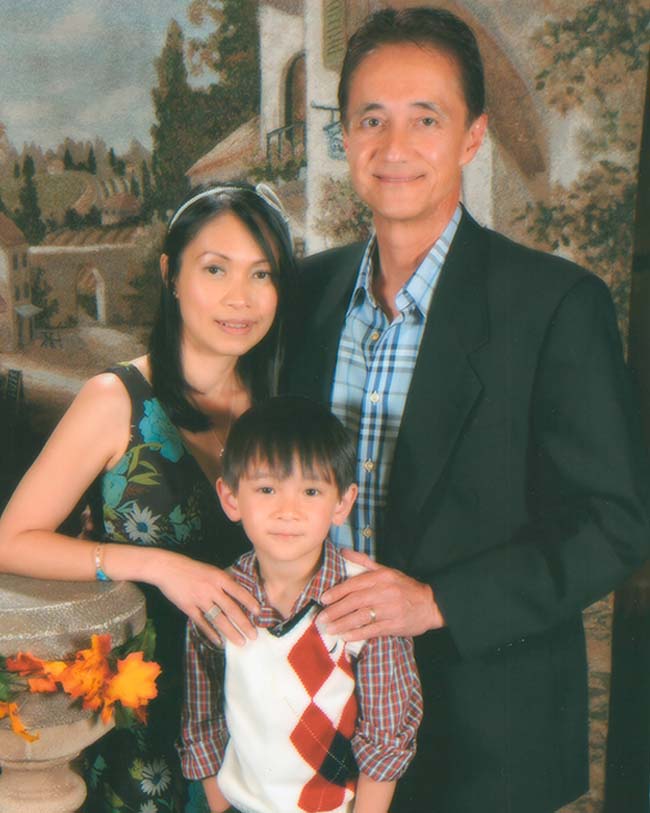


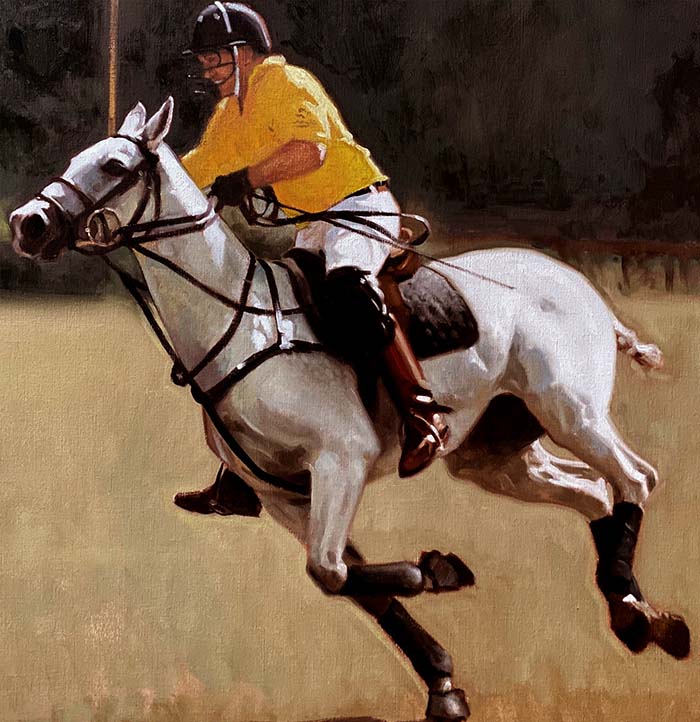
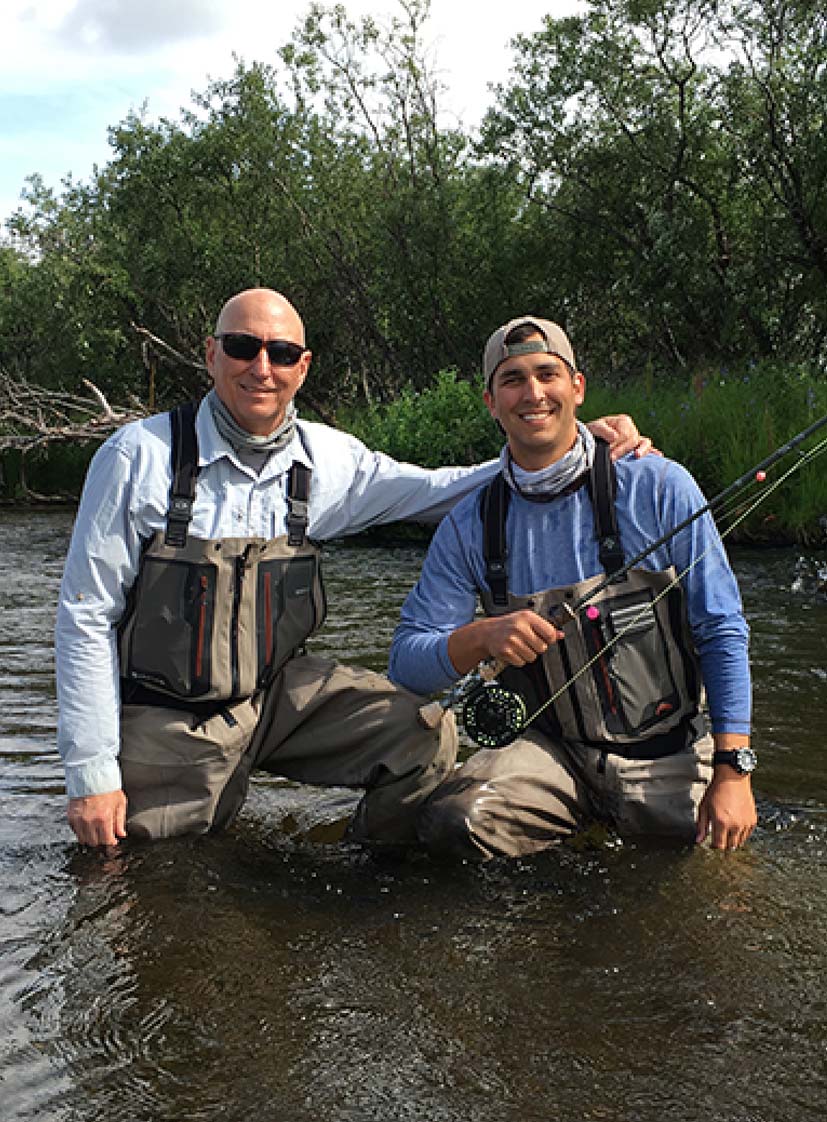
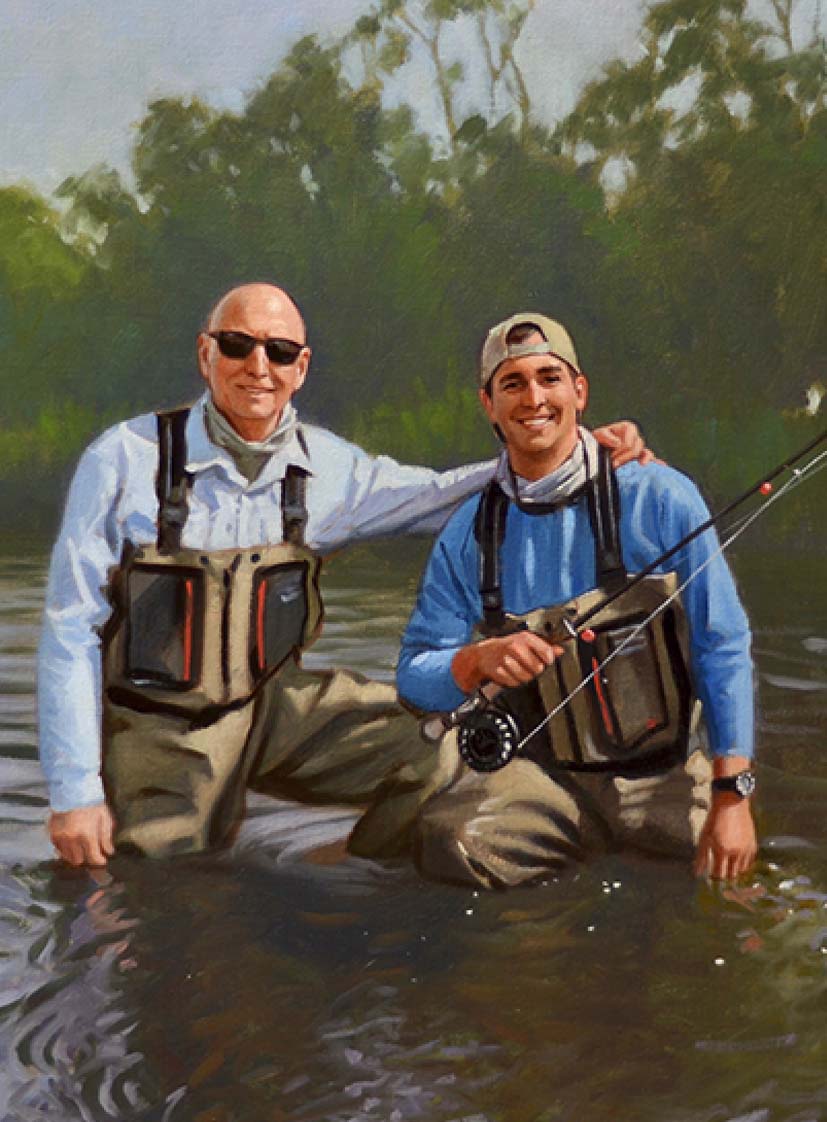
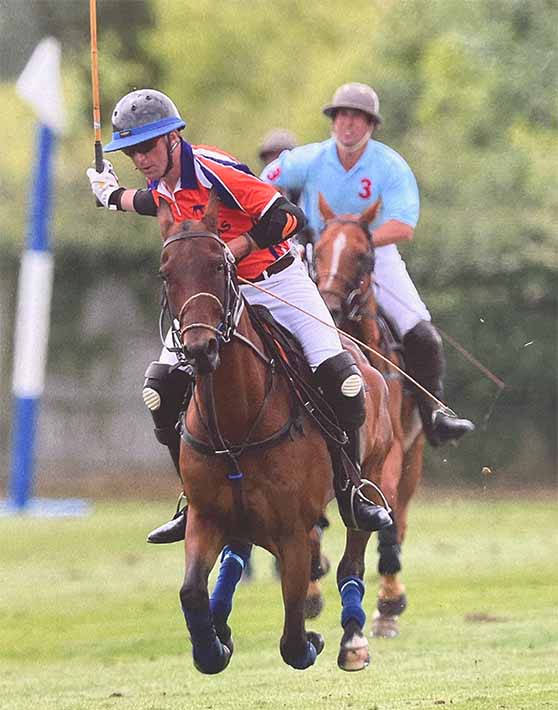
Commissioning Oil Paintings from Photos
If you would like Hazel to paint oil paintings from photos, here is what to do:
1. Contact us via the contact form
2. We will send you an email. Hit reply and attach a few photos of the person you want to be painted. These should be clear, well-lit (ideally natural light), and have no filters/edits applied to give Hazel the best reference material.
3. We will arrange a brief consultation by phone or email to understand your requirements
4. Hazel will prepare a personal proposal for your portrait.
5. We will send photos and time-lapse videos of the portrait of each stage for feedback. When you are delighted, we will send a high-res image for your approval.
Why Choose A Professional Artist to Paint an Oil Portrait from a Photo?
When painting a portrait, there is no substitute for a professional artist like Hazel. Having a professional artist paint your portrait ensures you get the best quality and craftsmanship. Professional artists have the experience and talent to create a painting that captures the subject’s essence in their unique style.
Websites offering cheap portrait-painting services can often disappoint for various reasons. The first is that the website may provide a few photos of portraits that look pretty good at first glance – but the reality is always different and usually massively disappointing. This means you will have no control over the final product, which can significantly differ from what you expected or desired. Additionally, most websites offer limited customization options, so you likely won’t be happy if you have specific portrait requirements.
Another issue with portrait services offered by cheap websites is the quality of materials used to create the portrait. Professional artists use high-quality oil paints, canvas, and other specifically chosen materials to bring out the best in the portrait. Many websites do not offer this level of quality and instead use cheap, mass-produced materials that lack the richness and depth of a professional portrait.
Finally, it is essential to recognize that portrait painting is an art form. Professional portrait painters possess the knowledge and skill necessary to capture the unique features of your portrait in oils. The results of a portrait painted by a professional will be far superior to anything created by a portrait-painting website. The professional artist can capture the subtle nuances of facial features and expressions that make each portrait unique.
Choosing a professional portrait painter ensures you get a portrait that truly captures the essence of your portrait subject. Professional portrait painters use their years of experience and skill to create a stand-out portrait. With a professional portrait painter, you can be sure that you will get a portrait that is of superior quality and craftsmanship. So don’t settle for cheap portrait-painting websites; choose a professional portrait artist instead. You won’t regret it!

Oil Paintings From Photos
What a Painting Sees That a Camera Misses
A photograph records one two-hundred-and-fiftieth of a second. A painted portrait records a judgement about a person, formed over many hours of looking. That is the whole difference, and it is why a painting made from a photograph is not a copy of that photograph.
A camera treats every part of a face with equal attention. A painter does not. Hazel decides what matters - usually the eyes, the set of the mouth, the particular way the head is carried - and gives those things the weight they deserve, while letting a collar or a background fall away. That selective attention is what makes a painted likeness feel more like the person than the photograph it came from.
Colour works differently too. A camera reports the light it was given, including the greenish cast of a kitchen ceiling or the flatness of an overcast afternoon. Hazel paints the skin as it actually is, correcting for whatever the camera was struggling with, and lights the subject the way a portrait ought to be lit.
The other difference is permanence. A print on canvas is ink on cloth and will fade. A portrait in oil on properly prepared linen, varnished and framed, lasts for centuries - the National Portrait Gallery is full of four-hundred-year-old evidence.
Which Photographs Work Best
Most people worry their photographs are not good enough. They usually are. Hazel has painted from prints, phone snaps, wedding photographs, passport pictures and images scanned from newspapers. That said, some photographs make for a better painting than others, and it is worth knowing what helps.
Good natural light is the single most useful thing. A face photographed near a window, or outdoors in shade or on a bright overcast day, gives clear information about the shape of the head. Direct midday sun is harder - it bleaches the highlights and blackens the shadows, losing exactly the detail a painter needs.
Photograph from the subject’s own eye level. A camera held above looks down on someone and shortens the face; held below, it does the opposite. Level with the eyes is how we actually see one another.
Resolution matters less than sharpness. A small photograph that is properly in focus is far more useful than a large one that is soft. If you have the original file rather than a copy sent through a messaging app, send the original.
Send several. Even where one photograph is clearly the basis for the portrait, others help - a different angle, a different expression, a picture from a few years earlier. They tell Hazel what is consistent about a face and what was just that moment.
Where the only photograph in existence is a poor one - as is often the case with memorial and posthumous portraits - that is not an obstacle. Hazel has worked from single damaged photographs many times, and will talk through what is achievable before anyone commits to anything.
From Your Photograph to the Finished Oil
The sequence is the same whether the subject is a person, a child, a dog or a horse.
First, a conversation. You send the photographs you have. Hazel looks at them and comes back with a view: which image should lead, what size suits the subject and the room it is going in, whether anything needs solving. Nothing is charged for at this stage.
Then a composition is agreed. Head and shoulders, half length or full length; the clothing; the background; whether more than one subject appears in the same painting. If several photographs are being combined into one portrait, this is where that is worked out.
Hazel paints. Oil on linen, built up in layers, each needing time to dry before the next. This is the part that cannot be hurried and is the reason a commission takes the weeks it does rather than the days an online service promises.
You see it before it is finished. Photographs of the work in progress are sent at a stage where changes are still straightforward. Comments are expected, not merely tolerated - it is your portrait.
Varnishing, framing and delivery. The finished painting is varnished once fully dry. Hazel can advise on framing or arrange it, and portraits are shipped worldwide, crated and insured.
How This Differs from Online Photo-to-Canvas Services
There are a great many websites offering to turn a photograph into an oil painting for a few hundred pounds or less. It is worth being clear about what they are and are not.
Most operate as brokers. Your photograph is sent to a studio abroad where it is copied by a painter working at speed, often on a quota, and usually without any contact with you. The instruction is to reproduce the photograph as closely as possible. That is copying, not portraiture, and the result reads as a copy - every part of the face given the same flat attention, the photograph’s own errors of light and angle faithfully reproduced.
The materials tend to match the approach. Thin machine-primed cotton rather than linen, student-grade pigment, and a varnish applied before the paint beneath is dry, which is what causes the cracking and yellowing that shows up within a few years.
And because there is no conversation, there is no opportunity to fix the things that need fixing. Nobody tells you that the photograph you chose flattens your father’s face, or that two of your photographs together would make a better painting than either alone. You receive what you asked for rather than what you wanted.
A commission with Hazel is the opposite arrangement. One painter, named and accountable, who has worked professionally for over forty years, who talks to you before starting and while working, and who is making a judgement about your subject rather than a reproduction of your file. It takes longer, and it is a different object at the end of it.
Questions People Ask
Can you work from an old or damaged photograph? Yes, and it is a common request. Faded, creased, torn and poorly focused photographs can all be worked from. Where information is genuinely missing, Hazel will tell you what she can and cannot reconstruct rather than guessing.
Can several photographs be combined into one portrait? Yes. Family groups whose members were never photographed together, siblings at matched ages, a person with a dog that has since died - all routine. It is one of the things a painting can do that a photograph cannot.
Can you paint from a photograph of someone who has died? Yes. Memorial and posthumous portraits are a significant part of Hazel’s work, and they are handled with the care that implies. There is no pressure on timing at any stage.
How long does it take? It depends on size and complexity, and on how many commissions are ahead of yours. Hazel will give you a realistic date at the outset and tell you promptly if it changes. Portraits needed for a particular occasion should be discussed as early as possible.
Do you paint animals from photographs? Very often - dogs and horses especially, where sitting still is not on offer. The same guidance about light and eye level applies, and photographs taken at the animal’s own head height are far better than pictures taken from standing.
What if I don’t like it? This is why work-in-progress photographs are sent at a stage when changes are still easy. In practice, a portrait that has been discussed properly at the start and reviewed in the middle rarely produces a surprise at the end.
Do you need to meet the subject? No. A portrait painted entirely from photographs is a normal commission, not a compromise, and a great deal of Hazel’s work is done this way - for clients abroad, for busy subjects, and for portraits of people who are no longer living.
