

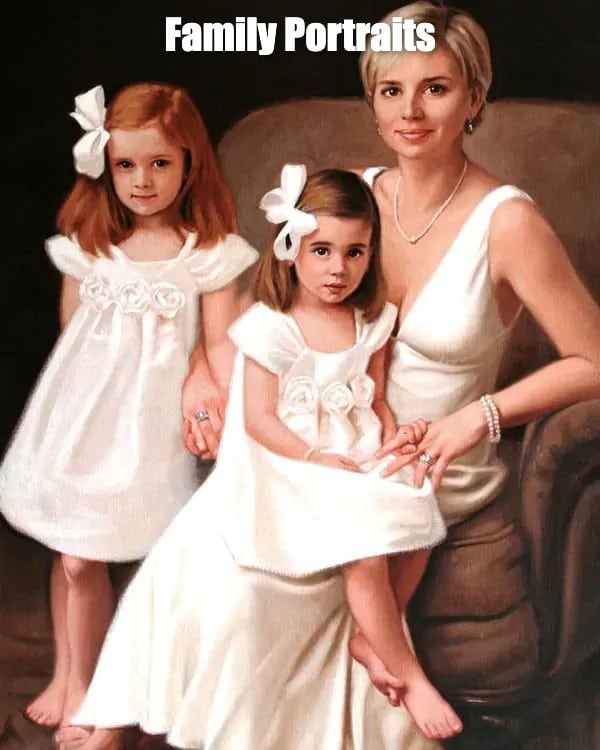
Commissioning a Portrait in Virginia
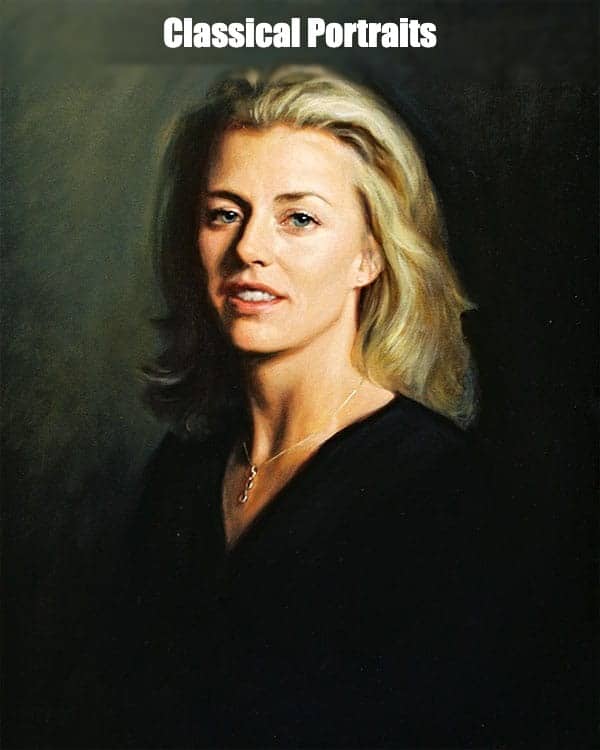
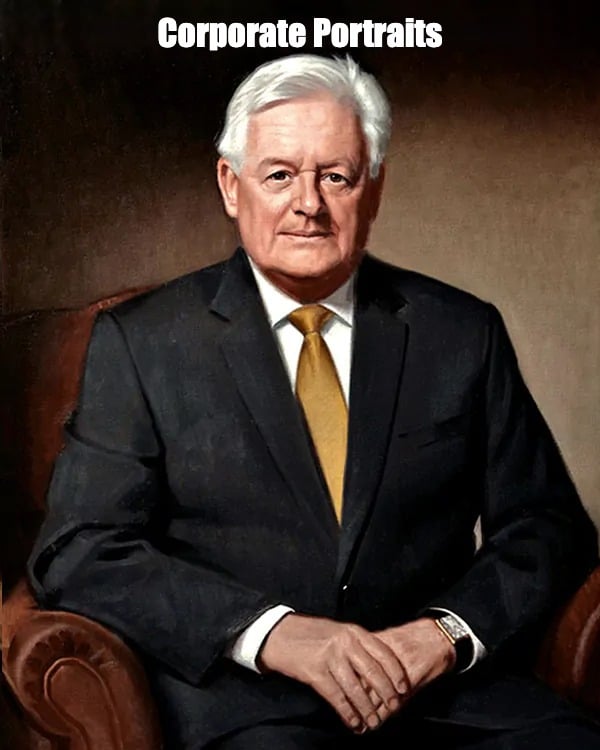
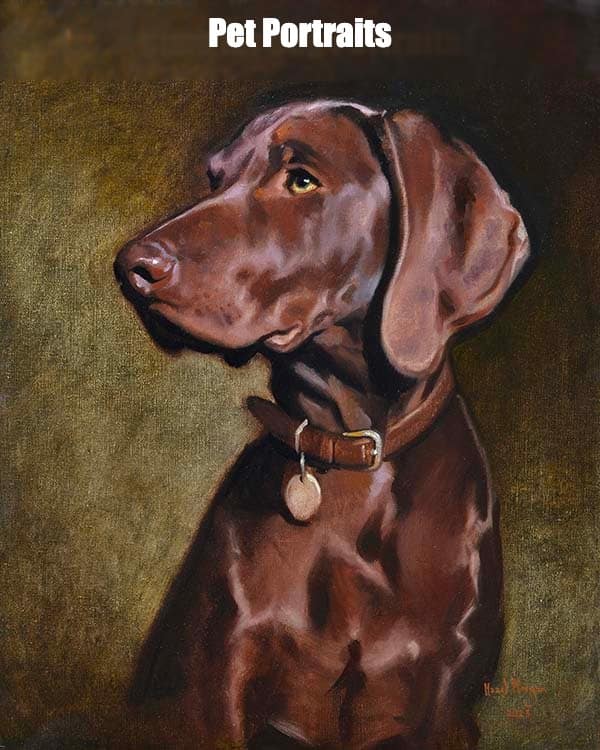
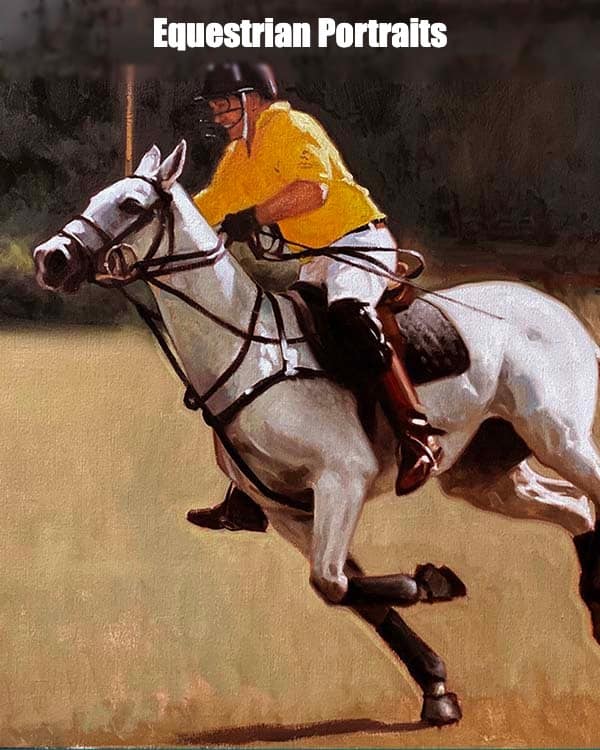
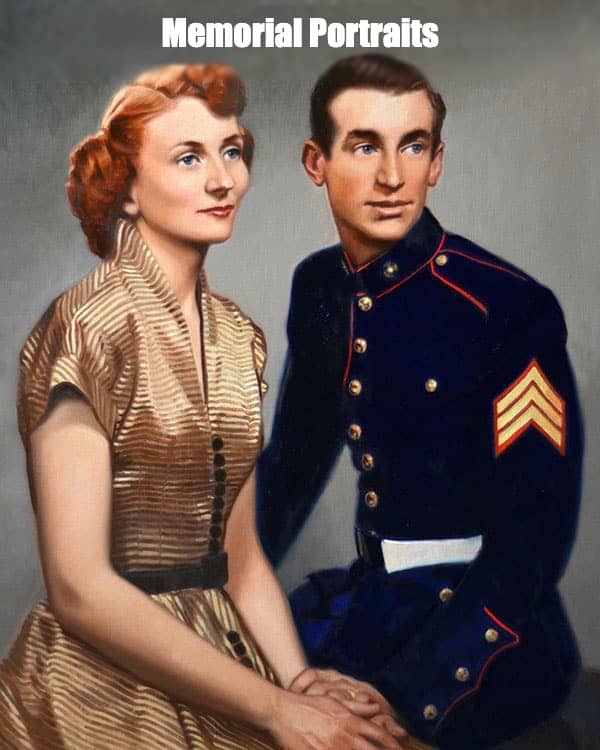
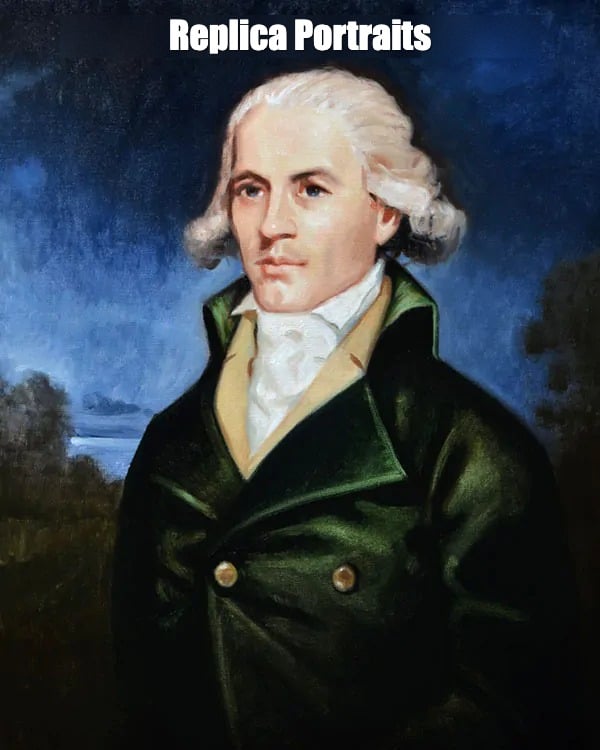
Hazel Morgan provides a bespoke portrait painting service to clients throughout Virginia. An award-winning artist with over four decades of professional experience, Hazel creates hand-painted oil portraits of exceptional quality for individuals, families, corporations, and institutions across the state.
From the boardroom to the family home, Hazel’s portraits have graced the walls of distinguished collectors, university halls, and corporate headquarters throughout Virginia. Each commission begins with a personal consultation and results in a work of enduring artistic merit.
Portrait Artist Virginia Area
As your trusted Portrait Artist Virginia, Hazel Morgan serves portrait clients in Virginia and the surrounding communities. Portraits are shipped directly to your door with professional packaging and full insurance coverage.
Portrait Services in Virginia Communities
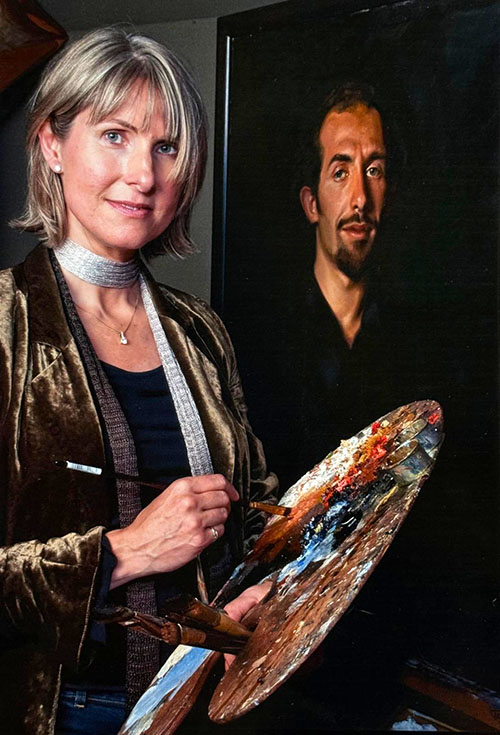
How to Commission a Portrait from Virginia
Commissioning a portrait from Hazel Morgan is a collaborative and enjoyable experience, regardless of where you are located in Virginia. The process has been refined over hundreds of commissions to ensure a seamless experience for every client.
Step 1: Initial Consultation
The process begins with a complimentary consultation - by telephone, video call, or email - during which Hazel discusses your vision for the portrait. This covers the subject, preferred composition, size, background, clothing, and any particular details you would like to include. There is no obligation at this stage.
Step 2: Photographs & References
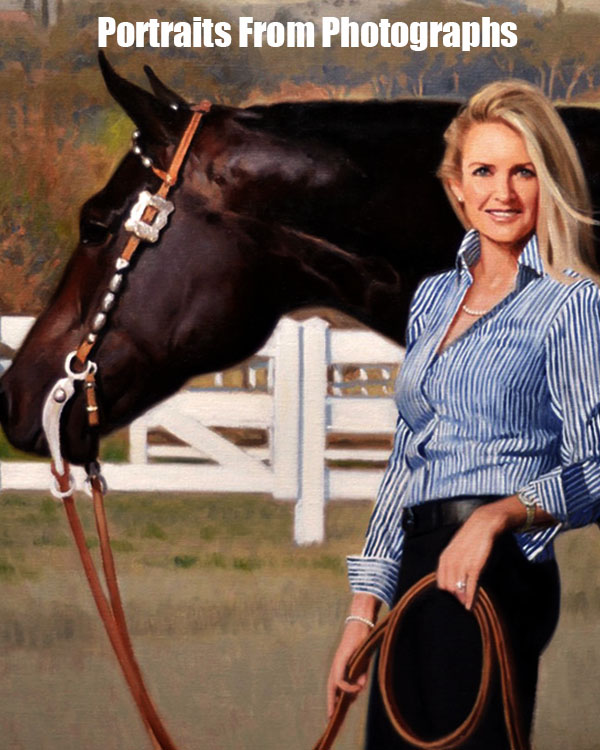
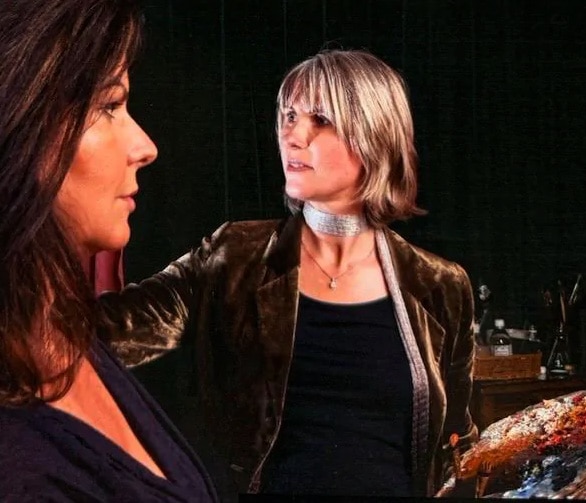
For clients in Virginia, Hazel can work from professional photographs, high-quality personal photographs, or a combination of multiple reference images. She provides clear guidance on the types of photographs that produce the best results. Where feasible, live sittings can also be arranged.
Step 3: The Painting Process
Once the composition is agreed, Hazel begins painting. The process typically takes between six and twelve weeks depending on the complexity of the piece. Clients receive progress photographs at key stages so you can see the portrait taking shape and provide feedback before completion.
Step 4: Delivery & Framing
Completed portraits are professionally packaged for shipping. Shipping and framing costs are provided once the painting is complete. Hazel can also recommend master framers who specialise in fine art framing to complement your finished portrait. Clients in Virginia typically receive their portrait within one to two weeks of completion.
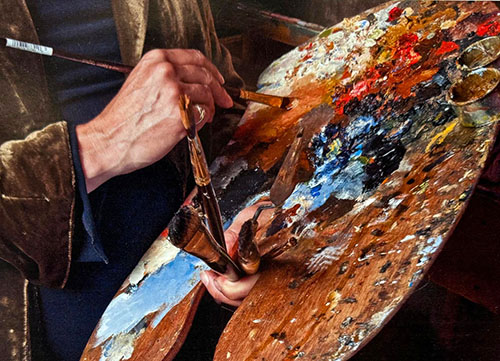
Why Clients in Virginia Choose Hazel Morgan
Hazel Morgan brings a rare combination of artistic excellence, professional reliability, and personal warmth to every commission. Here is what sets her apart:
Over 40 years of professional experience - Hazel has been painting portraits professionally since the early 1980s, amassing a body of work that spans hundreds of commissions for private, corporate, and institutional clients worldwide.
Award-winning recognition - Her work has been exhibited at the Royal Society of Portrait Painters, the Royal Institute of Oil Painters, and other prestigious venues. She is a member of several leading art societies.
A personal, one-to-one service - Unlike studio operations, every portrait is painted entirely by Hazel herself. You deal directly with the artist from first consultation through to delivery, ensuring your vision is faithfully realised.
International shipping expertise - Hazel regularly ships completed portraits to clients across the United States, United Kingdom, Europe, and beyond. Every painting is professionally packaged to arrive in perfect condition.
Complete satisfaction guaranteed - Hazel works closely with each client throughout the painting process. Progress images are shared at every stage, and adjustments are made until you are completely happy with the finished portrait.
Frequently Asked Questions - Portrait Commissions in Virginia
Hazel provides personalized quotations after an initial telephone consultation, during which she discusses your specific requirements. The consultation is complimentary and entirely without obligation. Please get in touch to arrange a convenient time to talk.
Not at all. The majority of Hazel’s commissions are painted from photographs, which makes the process convenient for clients in Virginia and beyond. Hazel provides guidance on the best types of photographs to supply. Live sittings can be arranged where practical.
Most portraits are completed within six to twelve weeks from the start of painting, depending on the complexity of the commission. Hazel provides a realistic timeline during the initial consultation. Rush commissions can sometimes be accommodated for special occasions.
Hazel has extensive experience working with a range of photographic references, including older or lower-resolution images. She can often combine multiple photographs to create a single cohesive portrait. During the consultation, she will advise on whether your available photographs are suitable.
Completed portraits are professionally packaged using custom-built crating and shipped via insured courier directly to your address in Virginia. Shipping and framing are quoted separately after the portrait is completed.
Client satisfaction is paramount. Hazel shares progress photographs at key stages throughout the painting process so you can provide feedback and request adjustments. This collaborative approach means that by the time the portrait is complete, it faithfully reflects your vision.
Why Hazel Loves Virginia
Hazel admires Virginia for its remarkable depth of character - a quality she finds mirrors the very essence of great portraiture. From the rolling Blue Ridge Mountains to the cobblestoned streets of Old Town Alexandria, the state carries centuries of story in its landscape and architecture. That same layered history seems to live in the faces of the people she meets here, and for a portrait painter, there is no greater gift than a subject whose life has left its mark on them in visible, beautiful ways. Virginia, to Hazel, is a place where time moves with intention, and she finds that quality endlessly inspiring.
Hazel loves the warmth and genuine hospitality she encounters from Virginia clients time and again. There is an openness here that makes the portrait process feel like a true collaboration rather than a transaction. Sitting with a family in Richmond's Jackson Ward neighbourhood, listening to the stories behind heirlooms on the mantelpiece or photographs on the wall, gives her the kind of intimate understanding that finds its way onto the canvas. Virginia clients tend to value legacy deeply - they commission portraits not just for themselves but for the generations that will come after them, and that sense of purpose resonates with everything Hazel believes portraiture should be.
Hazel also admires the extraordinary cultural richness that Virginia nurtures so naturally. The state is home to remarkable institutions like the Virginia Museum of Fine Arts in Richmond, where world-class collections sit comfortably alongside thriving local creative communities. That relationship between tradition and contemporary expression feels very much alive in Virginia's art scene, and it encourages Hazel to bring both timeless technique and a fresh, personal sensitivity to every portrait she creates here. Being surrounded by a culture that genuinely values art reminds her why she chose this path in the first place.
Hazel also loves returning to Virginia because of the lasting friendships she has formed with clients across the state. Portraits have a unique way of turning professional relationships into personal ones, and she has found that Virginia clients welcome that closeness gracefully. Whether she is working with a young family in Charlottesville or capturing a beloved grandparent in the Shenandoah Valley, she leaves each commission feeling more connected to this place - and more committed to doing it justice on canvas.
Ready to Commission Your Portrait?
Begin with a complimentary, no-obligation consultation. Hazel would love to discuss your portrait ideas and provide a personalized quotation for clients in Virginia.
Request a Free ConsultationVirginia Counties Hazel Paints Portraits In
Accomack, Albemarle, Alleghany, Amelia, Amherst, Appomattox, Arlington, Augusta, Bath, Bedford, Bland, Botetourt, Brunswick, Buchanan, Buckingham, Campbell, Caroline, Carroll, Charles City, Charlotte, Chesterfield, Clarke, Craig, Culpeper, Cumberland, Dickenson, Dinwiddie, Essex, Fairfax, Fauquier, Floyd, Fluvanna, Franklin, Frederick, Giles, Gloucester, Goochland, Grayson, Greene, Greensville, Halifax, Hanover, Henrico, Henry, Highland, Isle of Wight, James City, King and Queen, King George, King William, Lancaster, Lee, Loudoun, Louisa, Lunenburg, Madison, Mathews, Mecklenburg, Middlesex, Montgomery, Nelson, New Kent, Northampton, Northumberland, Nottoway, Orange, Page, Patrick, Pittsylvania, Powhatan, Prince Edward, Prince George, Prince William, Pulaski, Rappahannock, Richmond, Roanoke, Rockbridge, Rockingham, Russell, Scott, Shenandoah, Smyth, Southampton, Spotsylvania, Stafford, Surry, Sussex, Tazewell, Warren, Washington, Westmoreland, Wise, Wythe and York.
Towns in Virginia Where Hazel’s Portrait Clients Live
McLean, Great Falls, Vienna, Oakton, Falls Church, Arlington, Old Town Alexandria, Middleburg, Upperville, The Plains, Marshall, Warrenton, Leesburg, Aldie, Purcellville, Round Hill, Waterford, Charlottesville, Keswick, Ivy, Crozet, Free Union, Scottsville, Windsor Farms, River Road, Richmond, Williamsburg, Kingsmill, Ford’s Colony, Virginia Beach, Ghent, Norfolk, Smithfield, Gloucester, Irvington, White Stone, Kilmarnock, Mathews, Urbanna, Fredericksburg, Lexington, Staunton, Roanoke, Abingdon, Blacksburg, Wintergreen, Front Royal, Berryville, Millwood, Delaplane, Hume, Rectortown, Paris and Bluemont.
The Longest Portrait Tradition in America
Virginia holds the longest continuous tradition of portrait painting in America. Where other states acquired a taste for the painted likeness as wealth arrived, Virginia has been commissioning portraits almost as long as there has been an English-speaking society here to commission them, and the habit has never entirely lapsed.
The land was home to the Powhatan paramount chiefdom and other Algonquian-speaking peoples, whose visual culture centred on shell and copper ornament, painted hide, tattooing and body decoration rather than the framed likeness. The earliest European images of the region came from expedition artists sent to record what the English found, and they were made as documents rather than as art.
Jamestown was founded in 1607, and within a century the colony had developed a landed gentry with the means and the inclination to be painted. Tobacco fortunes built houses along the James, the York and the Rappahannock, and those houses wanted faces on their walls. Portraiture in colonial Virginia was less about artistic ambition than about establishing that a family had arrived and intended to stay.
The first professional painters worked as itinerants. Charles Bridges, an Englishman, painted the Byrd family and the Williamsburg gentry between roughly 1735 and 1745, and John Wollaston worked through the colony in the 1750s. Their sitters wear English clothes in English poses, and the paintings say plainly that these were people who thought of themselves as provincial Englishmen rather than Americans.
The Revolution changed the subject matter and raised the stakes. Virginia produced four of the first five presidents, and the demand to record them fell to the best painters in the new republic. Charles Willson Peale, Gilbert Stuart and Rembrandt Peale all painted Virginians, and Jean-Antoine Houdon’s life study of Washington, made in 1785 and installed in the Virginia State Capitol, remains the most authoritative likeness of him in existence.
Thomas Jefferson took the idea further than anyone. At Monticello he assembled a deliberate gallery of portraits of the figures he considered worthy of emulation, hung so that visitors would read the house as an argument. It is one of the earliest instances in America of a private collection assembled to make a case rather than simply to decorate.
The nineteenth century brought a darker civic portraiture. Richmond became the Confederate capital, and after the war the city produced a steady output of commemorative painting and sculpture, much of it from the studio of Edward Virginius Valentine. Portraiture in Virginia became bound up with memory and argument in a way it had not been before, and that association lingered well into the twentieth century.
Restoration created a second market. From 1926, John D. Rockefeller Jr. funded the reconstruction of Colonial Williamsburg, which required not only buildings but the paintings that belonged in them. The Abby Aldrich Rockefeller Folk Art Museum, opened there in 1957, gave serious institutional attention to the untrained painters and limners who had produced much of early Virginia’s portraiture.
The Virginia Museum of Fine Arts opened in Richmond in 1936 as the first state-supported art museum in the United States. Its founding signalled that Virginia intended to treat art as public infrastructure, and it built a collection strong enough that a Virginian painter no longer had to travel to New York or Europe to study serious work at first hand.
Virginia also produced artists who left the portrait tradition behind entirely. Cy Twombly, born in Lexington in 1928, developed a language of mark and inscription about as far from the commissioned likeness as painting can travel, and his continuing connection to the state is a reminder that Virginia’s artistic identity is not only colonial revival.
Today the commissioning is concentrated in three places. Northern Virginia, in McLean, Great Falls and Arlington, holds professional and government wealth. The hunt country around Middleburg, Upperville and The Plains supports an older and more settled kind of patronage, with a strong tradition of equestrian and family portraiture. Around Charlottesville, university and estate families continue a pattern that goes back to Jefferson’s neighbours.
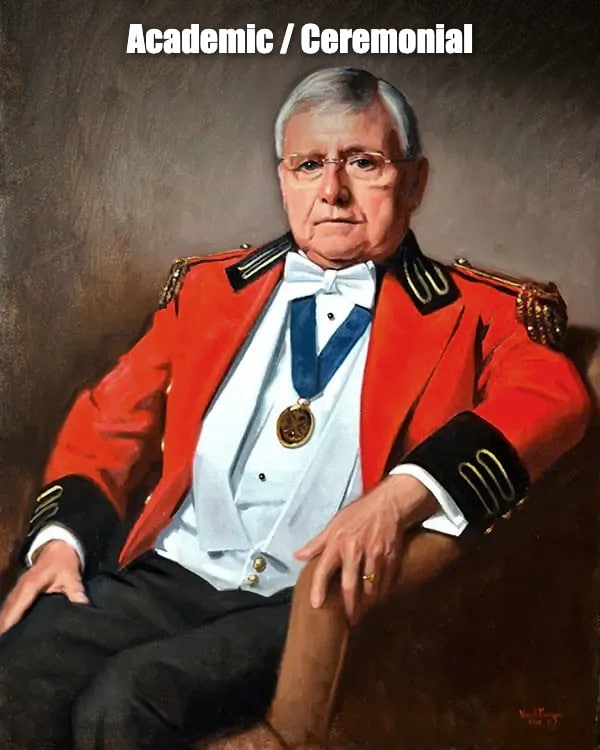
Contemporary Virginia portraiture ranges from formal institutional commissions for universities, courts and regiments to intimate family paintings intended for a hall or a stair. What has not changed is the underlying reason. In a state unusually conscious of its own history, families commission portraits because they expect the household to continue, and they intend the painting to be the thing that carries a face from one generation into the next.