

Commissioning a Portrait in Washington DC
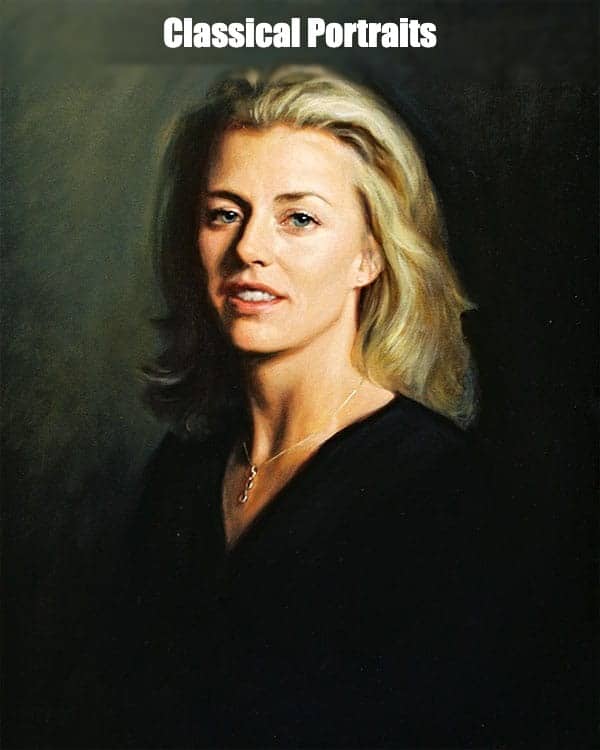
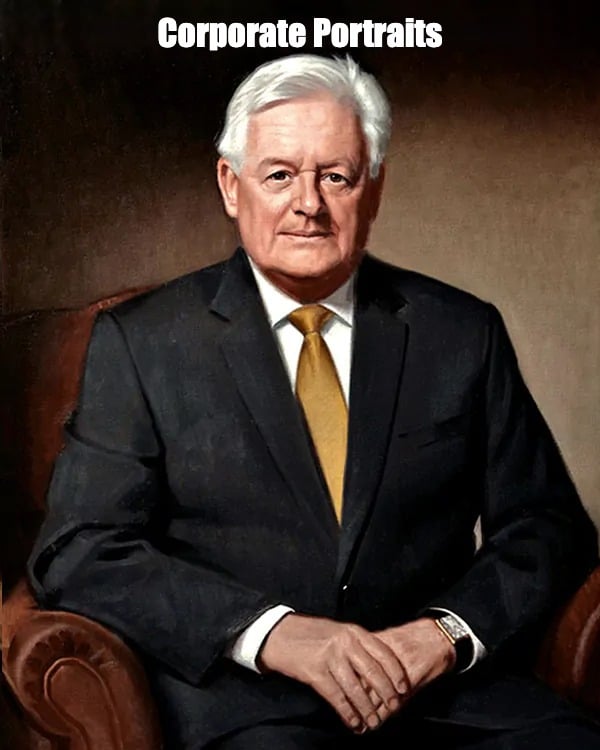
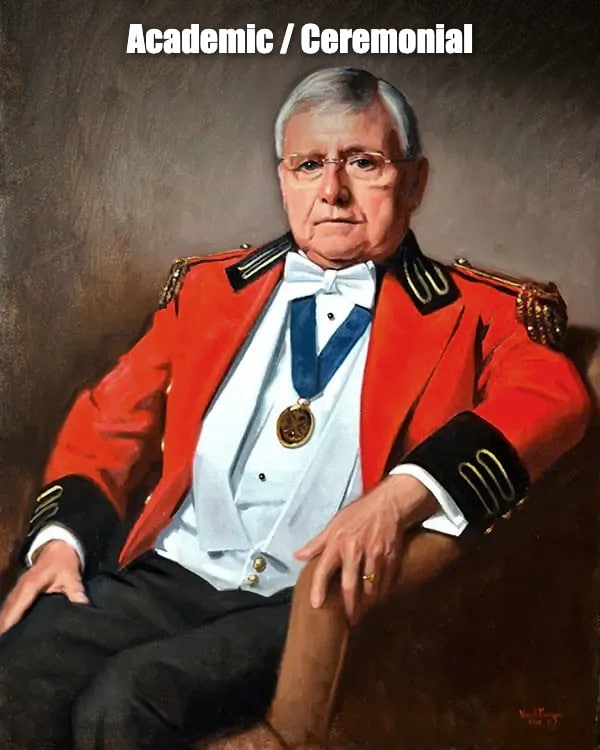
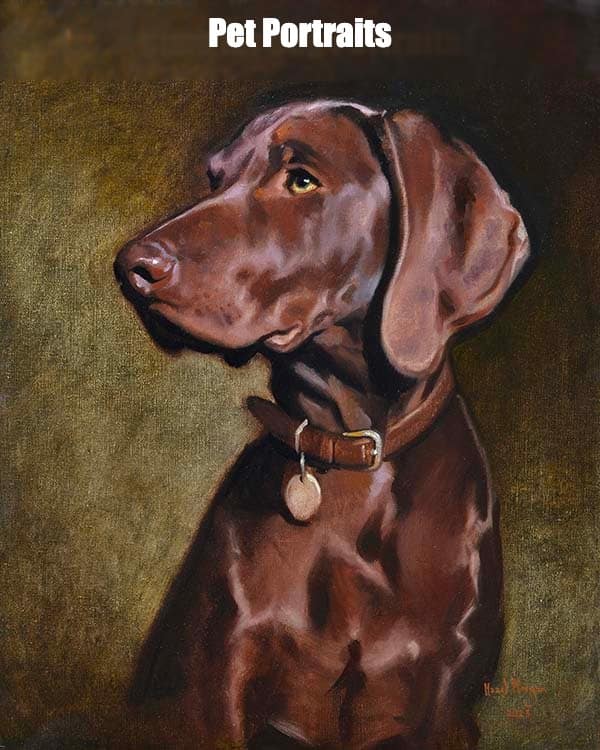
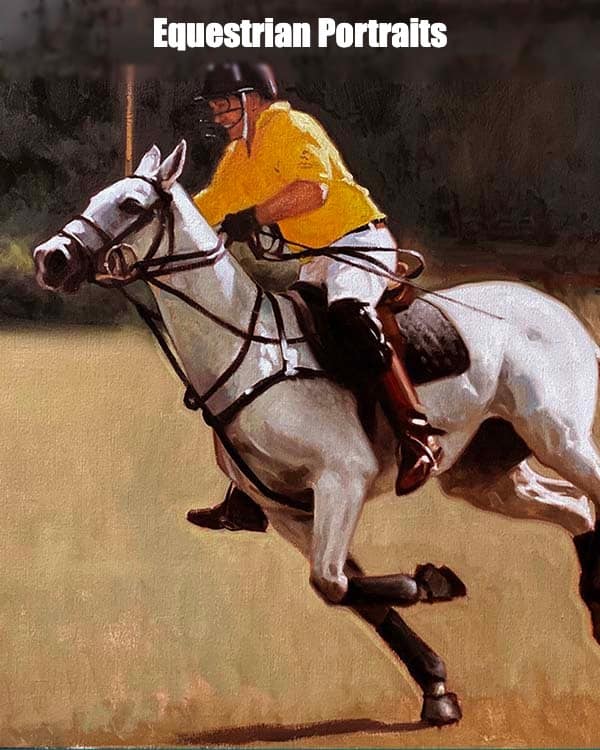
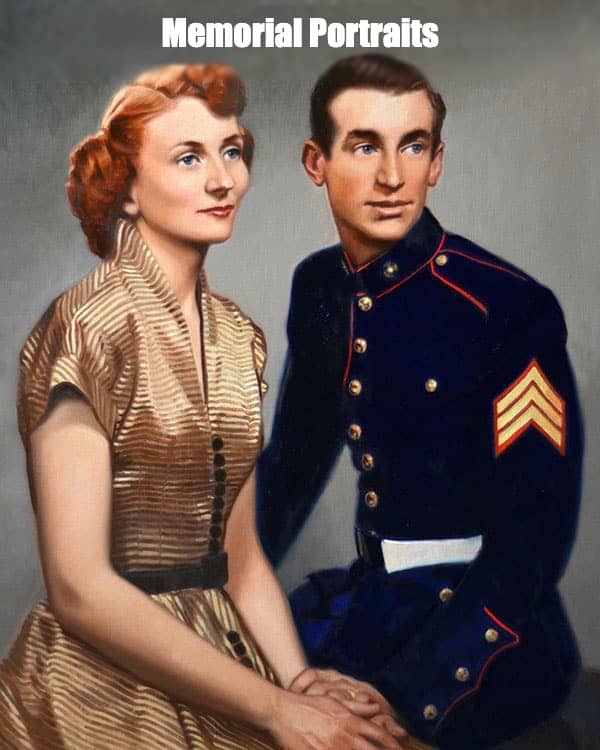
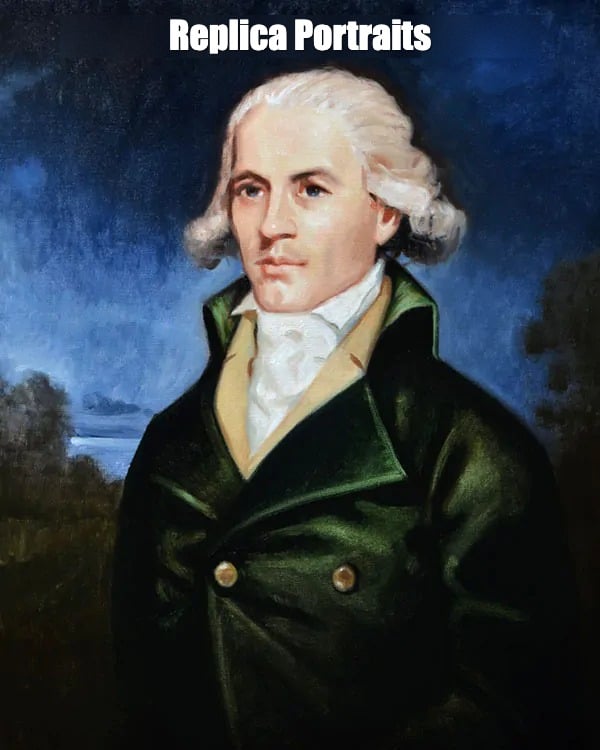
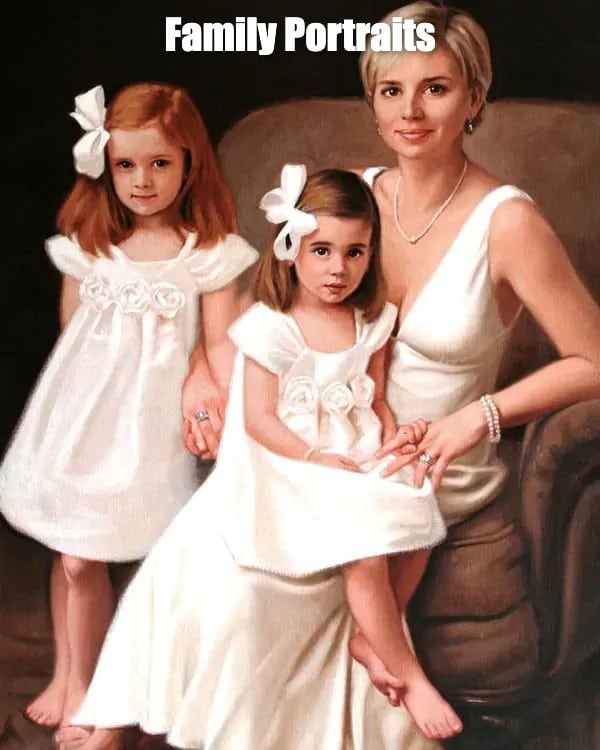
Hazel Morgan provides a bespoke portrait painting service to clients throughout Washington DC. An award-winning artist with over four decades of professional experience, Hazel creates hand-painted oil portraits of exceptional quality for individuals, families, corporations, and institutions across the state.
From the boardroom to the family home, Hazel’s portraits have graced the walls of distinguished collectors, university halls, and corporate headquarters throughout Washington DC. Each commission begins with a personal consultation and results in a work of enduring artistic merit.
How to Commission a Portrait from Washington DC
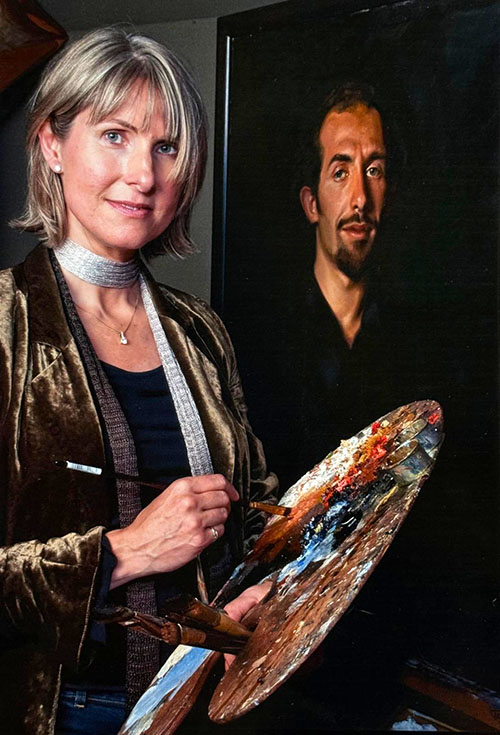
Commissioning a portrait from Hazel Morgan is a collaborative and enjoyable experience, regardless of where you are located in Washington DC. The process has been refined over hundreds of commissions to ensure a seamless experience for every client.
Step 1: Initial Consultation
The process begins with a complimentary consultation - by telephone, video call, or email - during which Hazel discusses your vision for the portrait. This covers the subject, preferred composition, size, background, clothing, and any particular details you would like to include. There is no obligation at this stage.
Step 2: Photographs & References
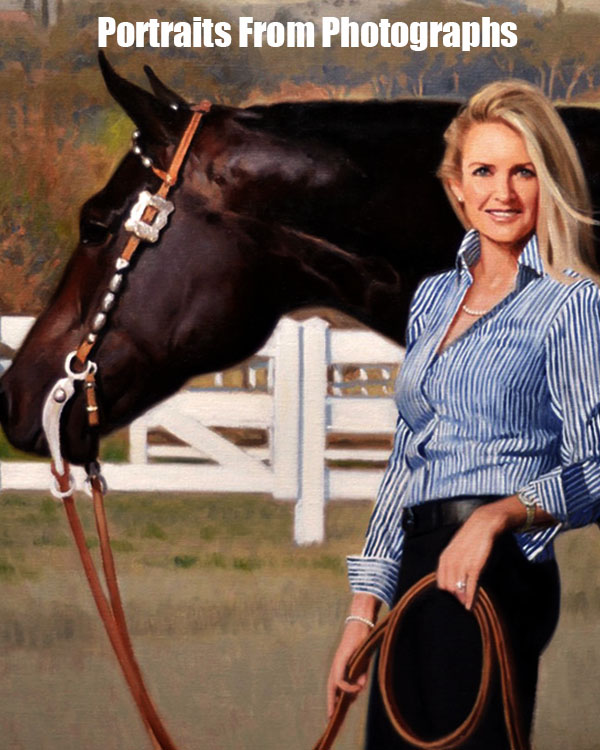
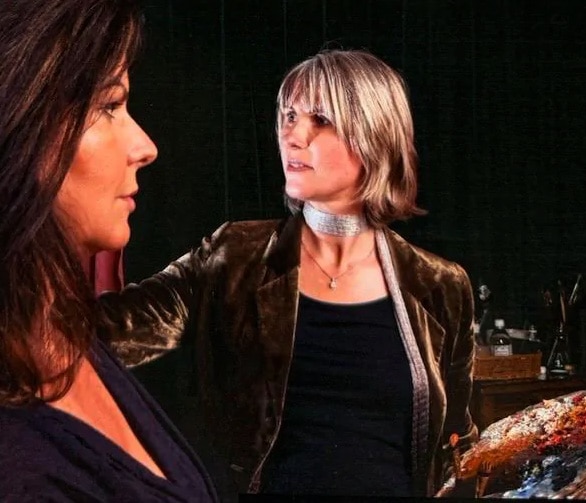
For clients in Washington DC, Hazel can work from professional photographs, high-quality personal photographs, or a combination of multiple reference images. She provides clear guidance on the types of photographs that produce the best results. Where feasible, live sittings can also be arranged.
Step 3: The Painting Process
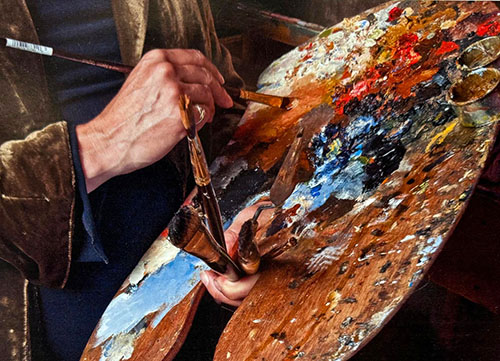
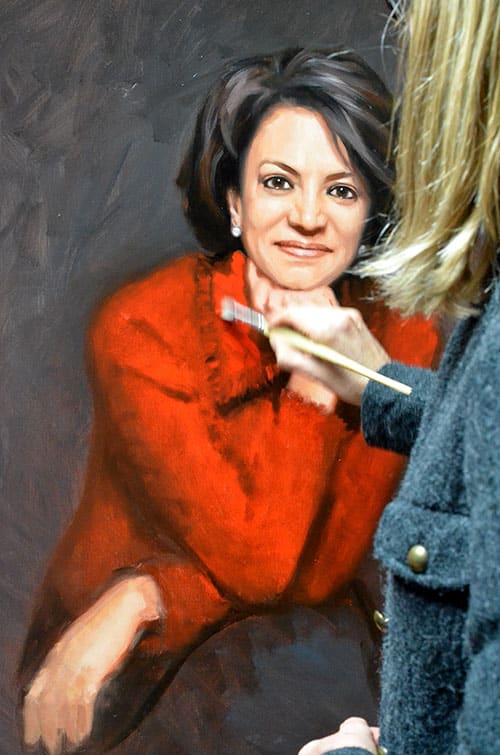
Once the composition is agreed, Hazel begins painting. The process typically takes between six and twelve weeks depending on the complexity of the piece. Clients receive progress photographs at key stages so you can see the portrait taking shape and provide feedback before completion.
Step 4: Delivery & Framing
Completed portraits are professionally packaged for shipping. Shipping and framing costs are provided once the painting is complete. Hazel can also recommend master framers who specialise in fine art framing to complement your finished portrait. Clients in Washington DC typically receive their portrait within one to two weeks of completion.
Why Clients in Washington DC Choose Hazel Morgan
Hazel Morgan brings a rare combination of artistic excellence, professional reliability, and personal warmth to every commission. Here is what sets her apart:
Over 40 years of professional experience - Hazel has been painting portraits professionally since the early 1980s, amassing a body of work that spans hundreds of commissions for private, corporate, and institutional clients worldwide.
Award-winning recognition - Her work has been exhibited at the Royal Society of Portrait Painters, the Royal Institute of Oil Painters, and other prestigious venues. She is a member of several leading art societies.
A personal, one-to-one service - Unlike studio operations, every portrait is painted entirely by Hazel herself. You deal directly with the artist from first consultation through to delivery, ensuring your vision is faithfully realised.
International shipping expertise - Hazel regularly ships completed portraits to clients across the United States, United Kingdom, Europe, and beyond. Every painting is professionally packaged to arrive in perfect condition.
Complete satisfaction guaranteed - Hazel works closely with each client throughout the painting process. Progress images are shared at every stage, and adjustments are made until you are completely happy with the finished portrait.
Frequently Asked Questions - Portrait Commissions in Washington DC
Hazel provides personalized quotations after an initial telephone consultation, during which she discusses your specific requirements. The consultation is complimentary and entirely without obligation. Please get in touch to arrange a convenient time to talk.
Not at all. The majority of Hazel’s commissions are painted from photographs, which makes the process convenient for clients in Washington DC and beyond. Hazel provides guidance on the best types of photographs to supply. Live sittings can be arranged where practical.
Most portraits are completed within six to twelve weeks from the start of painting, depending on the complexity of the commission. Hazel provides a realistic timeline during the initial consultation. Rush commissions can sometimes be accommodated for special occasions.
Hazel has extensive experience working with a range of photographic references, including older or lower-resolution images. She can often combine multiple photographs to create a single cohesive portrait. During the consultation, she will advise on whether your available photographs are suitable.
Completed portraits are professionally packaged using custom-built crating and shipped via insured courier directly to your address in Washington DC. Shipping and framing are quoted separately after the portrait is completed.
Client satisfaction is paramount. Hazel shares progress photographs at key stages throughout the painting process so you can provide feedback and request adjustments. This collaborative approach means that by the time the portrait is complete, it faithfully reflects your vision.
Why Hazel Loves Washington DC
Hazel admires Washington DC for its remarkable sense of purpose and its deep, living connection to history. There is something genuinely moving about a city where grand ideas and human stories sit side by side on every corner. From the quiet dignity of the Lincoln Memorial to the tree-lined streets of Georgetown, the city carries a weight and warmth that Hazel finds endlessly inspiring. It is a place that takes itself seriously without losing its humanity, and that balance resonates strongly with her as a portrait painter. After all, great portraiture is about exactly that - finding the gravity and the warmth in a single human face.
Hazel loves the people she meets through her portrait commissions in Washington DC, and she means that sincerely. Her clients here tend to be thoughtful, accomplished individuals who have spent their lives in service of something larger than themselves - diplomats, academics, community leaders, and dedicated public servants. Sitting with someone for a portrait is an intimate experience, and Hazel has found that Washingtonians bring a particular openness and depth to those sessions. They have stories worth telling, and they understand instinctively why having those stories recorded in paint actually matters. That shared understanding makes the whole creative process feel genuinely collaborative and alive.
Hazel also admires the extraordinary cultural richness that the city offers at every turn. The Smithsonian Institution alone represents a kind of generosity toward human curiosity that she finds deeply moving - the idea that art, history, and science should simply be available to everyone, free of charge. Spending an afternoon in one of its galleries always sharpens her eye and reminds her why portraiture sits at the very heart of how we understand one another across time. Looking at a painted face from two centuries ago and recognising something of yourself in it is a quietly extraordinary experience.
Hazel also loves the neighbourhood character that makes Washington DC feel like a collection of small communities rather than one imposing capital. Places like Dupont Circle have a creative, unhurried energy that gives the city its real personality, distinct from its political identity. It is in those quieter, human-scaled corners that Hazel feels most at home, most inspired, and most grateful for the connections her work has allowed her to build here.
Ready to Commission Your Portrait?
Begin with a complimentary, no-obligation consultation. Hazel would love to discuss your portrait ideas and provide a personalized quotation for clients in Washington DC.
Request a Free ConsultationNeighbourhoods and Districts in Washington DC Where Hazel Paints Portraits
Georgetown, Kalorama, Kalorama Heights, Sheridan-Kalorama, Massachusetts Avenue Heights, Embassy Row, Dupont Circle, Logan Circle, Foggy Bottom, Capitol Hill, Eastern Market, Cleveland Park, Woodley Park, Wesley Heights, Spring Valley, Berkley, Palisades, Foxhall, American University Park, Tenleytown, Chevy Chase DC, Friendship Heights, Forest Hills, Van Ness, Observatory Circle, Burleith, Glover Park, Mount Pleasant, Adams Morgan, Columbia Heights, Shaw, Bloomingdale, LeDroit Park, Petworth, Brookland, Michigan Park, Crestwood, Colonial Village, Barnaby Woods, Hawthorne, Takoma DC, Navy Yard, Southwest Waterfront, Anacostia, Hillcrest, Penn Quarter, Mount Vernon Triangle, NoMa, The West End, Kent and Wakefield.
Communities Around Washington DC Where Hazel’s Portrait Clients Live
McLean, Great Falls, Arlington, Old Town Alexandria, Falls Church, Vienna, Oakton, Chevy Chase, Bethesda, Potomac, Kensington, Somerset, Garrett Park, Silver Spring, Takoma Park, Rockville, North Bethesda, Cabin John, Glen Echo, Brookmont, Travilah, Darnestown, Poolesville, Annapolis, Severna Park, Gibson Island, Upper Marlboro, Fort Washington, Accokeek, Leesburg, Middleburg, Purcellville, Waterford, Round Hill, Aldie, Ashburn, Reston, Herndon, Clifton, Fairfax Station, Burke, Springfield, Mount Vernon, Fort Hunt, Belle Haven, Rosemont, Del Ray, Lorton and Occoquan.
The Portrait as an Instrument of State in Washington DC
Washington is the one American city built to be a capital, and its relationship with portraiture is unlike anywhere else in the country. Here the painted likeness has never been purely a private matter. It is an instrument of state, a record of office, and an argument about who belongs in the national story. The city holds the only museum in the United States devoted entirely to portraits, and it has been commissioning faces since before the streets were finished.
The site was laid out to Pierre Charles L’Enfant’s plan of 1791, on land ceded by Maryland and Virginia and long inhabited by Algonquian-speaking peoples of the Potomac valley, including the Nacotchtank. The city was designed with civic display in mind from the beginning, which shaped what kind of art it would want.
Portraiture arrived with the government. Gilbert Stuart’s full-length Lansdowne portrait of George Washington, painted in 1796, became the defining image of the presidency, and the version of Stuart’s Washington hanging in the White House was famously cut from its frame and carried to safety by Dolley Madison as British troops advanced in 1814. That episode fixed something in the American imagination: that a portrait could be worth saving before the furniture.
Charles Bird King settled in Washington in 1816 and built a career largely on official sitters, including a remarkable series of portraits of Native American delegates who came to the capital to negotiate. Many of those canvases were later destroyed by fire at the Smithsonian, and what survives is one of the more troubling and valuable bodies of American portraiture, made at the meeting point of diplomacy and dispossession.
Institutions followed. The Smithsonian was founded in 1846, and the Corcoran Gallery of Art opened in 1869 as one of the first purpose-built art museums in the United States, established by a banker who wanted Washington to have a cultural life of its own rather than borrowing one from New York or Philadelphia.
The twentieth century made the city a genuine centre for collections. Duncan Phillips opened the Phillips Collection in 1921, the first museum of modern art in America. Andrew Mellon’s gift established the National Gallery of Art, which opened in 1941 with a founding collection that included major European portraits and set a standard for public display in the capital.
The decisive institution for portraiture came later. The National Portrait Gallery opened in 1968 with a mandate to collect Americans who had shaped the country, and it has since become the place where the argument about national portraiture is conducted in public. Its commissioned presidential portraits are among the most widely discussed paintings produced in the United States.
Washington also produced a significant abstract movement, which is often forgotten in a city associated with official art. The Washington Color School of the 1950s and 1960s, including Morris Louis, Kenneth Noland and Gene Davis, worked with stained canvas and pure colour, and made the capital briefly one of the most interesting places in American painting for reasons that had nothing to do with government.
What makes Washington distinctive today is the sheer breadth of institutional portrait commissioning. Federal agencies, the courts, the armed services, universities, hospitals, law firms, embassies and learned societies all maintain portrait traditions, and many mark a retirement or an appointment with a commissioned painting as a matter of course. Few cities in the world sustain that volume of formal portraiture as ordinary practice.
Private commissioning runs alongside it, concentrated in Georgetown, Kalorama, Massachusetts Avenue Heights, Spring Valley and Wesley Heights, and across the river and the Maryland line into McLean, Bethesda, Potomac and Chevy Chase. Diplomatic and legal families move often, and a portrait is one of the few things that travels with them and settles immediately into a new house.
The result is a city with an unusually literate audience for portraiture. Clients here have often spent time in the National Portrait Gallery, have opinions about which presidential portraits work, and arrive with a clear sense of the difference between a likeness that records an office and one that records a person.
Contemporary Washington portraiture reflects that split. The official tradition continues, formal and institutional. Alongside it sits a quieter private practice, in which families commission paintings of children, parents and grandparents for houses in Georgetown or Bethesda. Both rest on the same conviction, which this city holds more firmly than most: that a face, properly recorded, becomes part of the record.