

Commissioning a Portrait in Louisiana
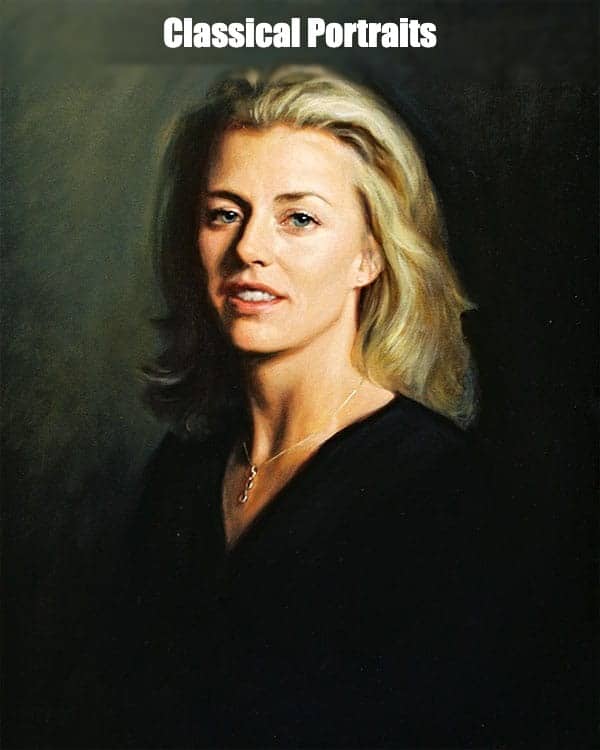
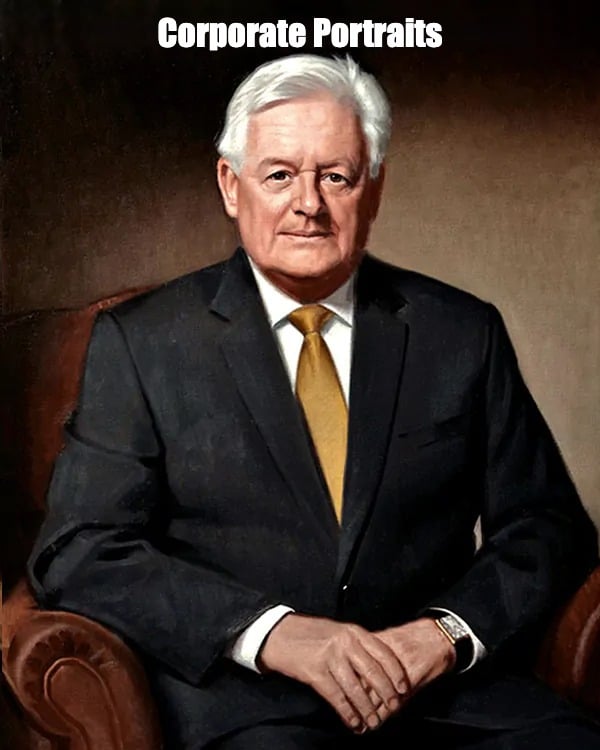
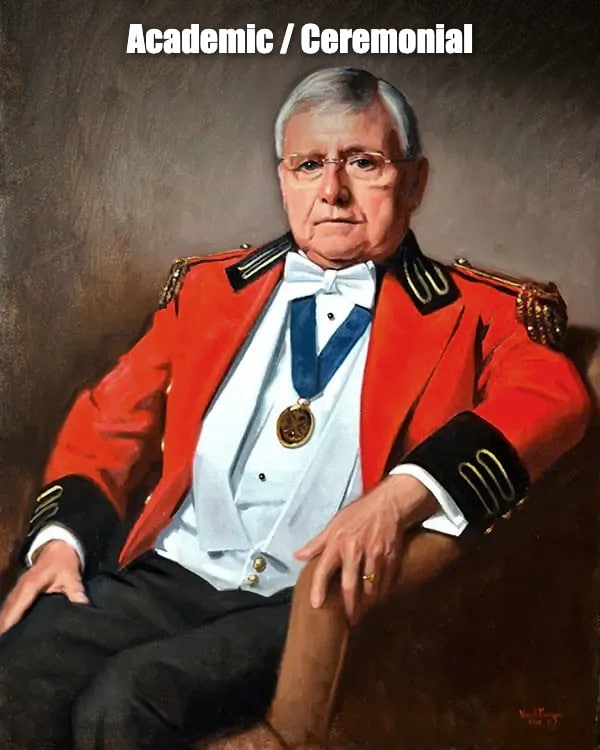
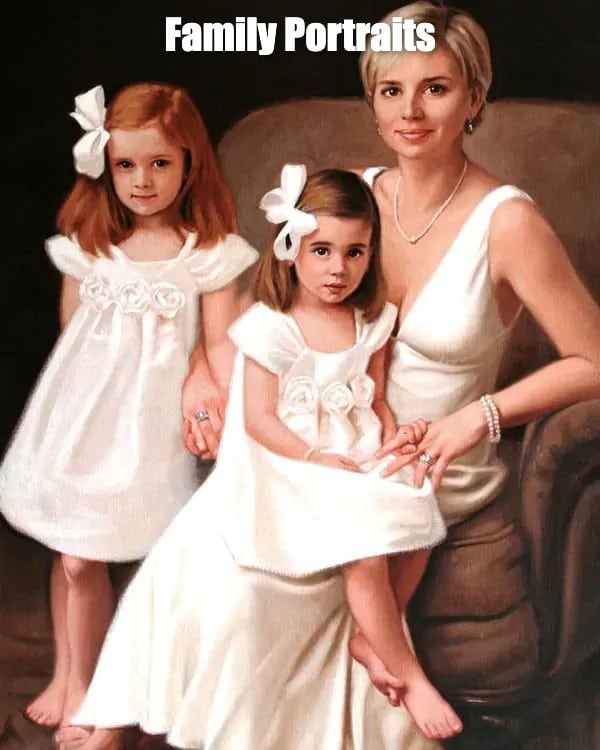
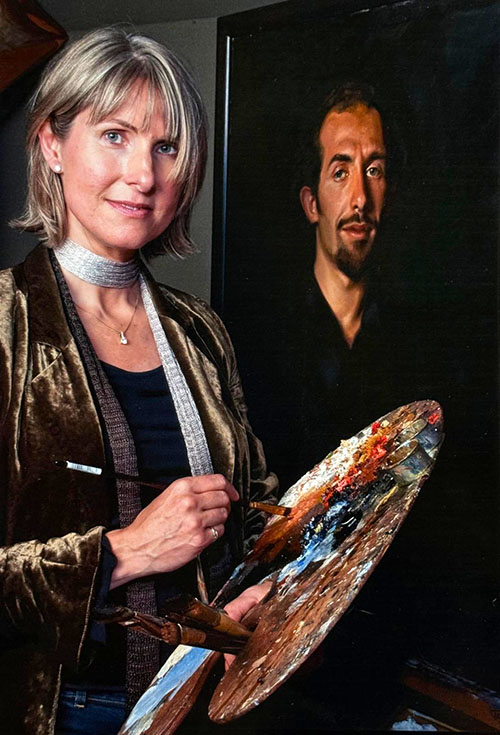
Hazel Morgan provides a bespoke portrait painting service to clients throughout Louisiana. An award-winning artist with over four decades of professional experience, Hazel creates hand-painted oil portraits of exceptional quality for individuals, families, corporations, and institutions across the state.
From the boardroom to the family home, Hazel’s portraits have graced the walls of distinguished collectors, university halls, and corporate headquarters throughout Louisiana. Each commission begins with a personal consultation and results in a work of enduring artistic merit.
Portrait Artist Louisiana Area
As your trusted Portrait Artist Louisiana, Hazel Morgan serves portrait clients in Louisiana and the surrounding communities. Portraits are shipped directly to your door with professional packaging and full insurance coverage.
How to Commission a Portrait from Louisiana
Commissioning a portrait from Hazel Morgan is a collaborative and enjoyable experience, regardless of where you are located in Louisiana. The process has been refined over hundreds of commissions to ensure a seamless experience for every client.
Step 1: Initial Consultation
The process begins with a complimentary consultation - by telephone, video call, or email - during which Hazel discusses your vision for the portrait. This covers the subject, preferred composition, size, background, clothing, and any particular details you would like to include. There is no obligation at this stage.
Step 2: Photographs & References
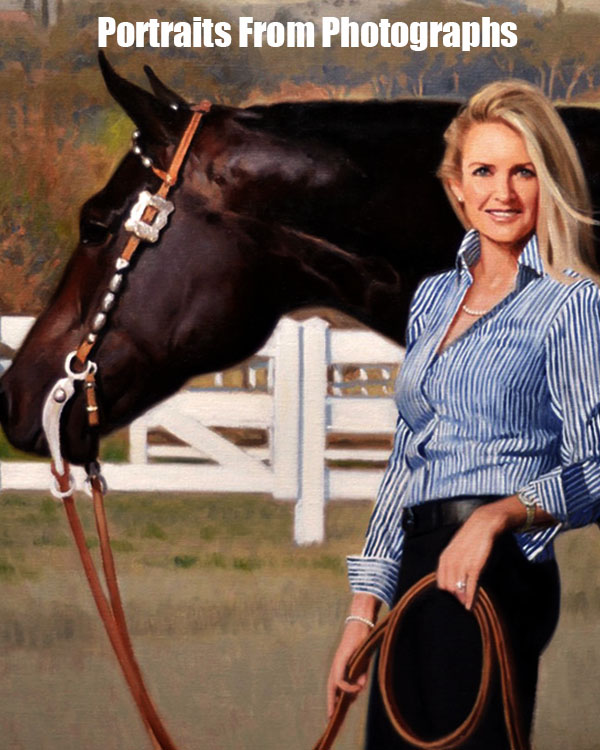
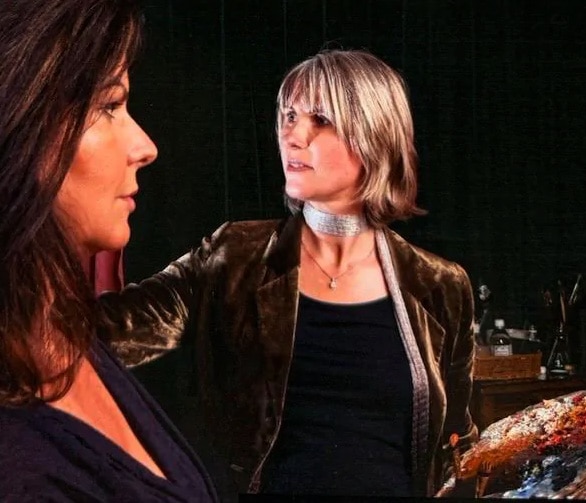
For clients in Louisiana, Hazel can work from professional photographs, high-quality personal photographs, or a combination of multiple reference images. She provides clear guidance on the types of photographs that produce the best results. Where feasible, live sittings can also be arranged.
Step 3: The Painting Process
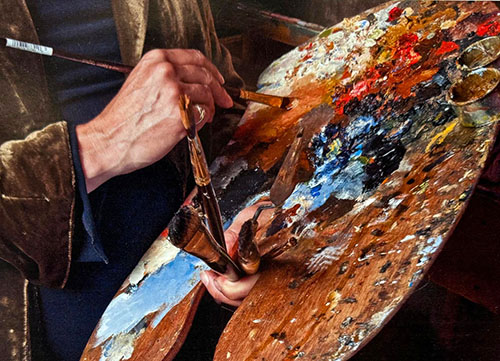
Once the composition is agreed, Hazel begins painting. The process typically takes between six and twelve weeks depending on the complexity of the piece. Clients receive progress photographs at key stages so you can see the portrait taking shape and provide feedback before completion.
Step 4: Delivery & Framing
Completed portraits are professionally packaged for shipping. Shipping and framing costs are provided once the painting is complete. Hazel can also recommend master framers who specialise in fine art framing to complement your finished portrait. Clients in Louisiana typically receive their portrait within one to two weeks of completion.
Why Clients in Louisiana Choose Hazel Morgan
Hazel Morgan brings a rare combination of artistic excellence, professional reliability, and personal warmth to every commission. Here is what sets her apart:
Over 40 years of professional experience - Hazel has been painting portraits professionally since the early 1980s, amassing a body of work that spans hundreds of commissions for private, corporate, and institutional clients worldwide.
Award-winning recognition - Her work has been exhibited at the Royal Society of Portrait Painters, the Royal Institute of Oil Painters, and other prestigious venues. She is a member of several leading art societies.
A personal, one-to-one service - Unlike studio operations, every portrait is painted entirely by Hazel herself. You deal directly with the artist from first consultation through to delivery, ensuring your vision is faithfully realised.
International shipping expertise - Hazel regularly ships completed portraits to clients across the United States, United Kingdom, Europe, and beyond. Every painting is professionally packaged to arrive in perfect condition.
Complete satisfaction guaranteed - Hazel works closely with each client throughout the painting process. Progress images are shared at every stage, and adjustments are made until you are completely happy with the finished portrait.
Frequently Asked Questions - Portrait Commissions in Louisiana
Hazel provides personalized quotations after an initial telephone consultation, during which she discusses your specific requirements. The consultation is complimentary and entirely without obligation. Please get in touch to arrange a convenient time to talk.
Not at all. The majority of Hazel’s commissions are painted from photographs, which makes the process convenient for clients in Louisiana and beyond. Hazel provides guidance on the best types of photographs to supply. Live sittings can be arranged where practical.
Most portraits are completed within six to twelve weeks from the start of painting, depending on the complexity of the commission. Hazel provides a realistic timeline during the initial consultation. Rush commissions can sometimes be accommodated for special occasions.
Hazel has extensive experience working with a range of photographic references, including older or lower-resolution images. She can often combine multiple photographs to create a single cohesive portrait. During the consultation, she will advise on whether your available photographs are suitable.
Completed portraits are professionally packaged using custom-built crating and shipped via insured courier directly to your address in Louisiana. Shipping and framing are quoted separately after the portrait is completed.
Client satisfaction is paramount. Hazel shares progress photographs at key stages throughout the painting process so you can provide feedback and request adjustments. This collaborative approach means that by the time the portrait is complete, it faithfully reflects your vision.
Why Hazel Loves Louisiana
Louisiana captivates Hazel Morgan in ways few places can match, and it shows deeply in her portrait work. What draws Hazel most powerfully is the way the state layers centuries of culture, resilience, and artistic identity into its very fabric - from the Spanish and French colonial architecture of New Orleans' French Quarter to the sweeping live oak canopies draped in Spanish moss along the River Road plantation corridor. Hazel is drawn to the storytelling embedded in Louisiana faces and communities, believing that a state shaped by the Mississippi River, Lake Pontchartrain, and the Atchafalaya Basin carries a rare emotional depth that her subjects naturally reflect. The New Orleans Museum of Art, with its extraordinary portrait collection spanning multiple centuries, resonates strongly with Hazel's belief that portraiture is one of the most enduring ways a community preserves its identity and honors its people.
Hazel admires the layered cultural life that makes Louisiana's artistic community so distinctive. The New Orleans Jazz & Heritage Festival, held annually at the Fair Grounds Race Course, represents exactly the kind of communal celebration of identity that Hazel finds deeply meaningful - where music, food, and visual art converge to tell the story of an entire people. She is equally captivated by the creative energy of the Warehouse Arts District in New Orleans, where galleries like Ogden Museum of Southern Art champion regional voices and elevate Louisiana's artistic legacy to national and international audiences. The Frenchmen Street live music scene and the centuries-old traditions of Mardi Gras krewes further remind Hazel that Louisiana's residents don't just inherit culture - they actively, joyfully perform it every single day.
What captivates Hazel most as a portrait artist is the sheer individuality she sees reflected in Louisiana's communities, from the historic Creole cottages of Tremé, widely recognized as one of the oldest African American neighborhoods in the entire country, to the vibrant Cajun culture of Lafayette's Festival International de Louisiane. For Hazel, creating portraits for Louisiana clients means honoring people who carry remarkable histories within them, and that responsibility - to capture not just a face but a legacy - is precisely what makes this work so profoundly rewarding.
Ready to Commission Your Portrait?
Begin with a complimentary, no-obligation consultation. Hazel would love to discuss your portrait ideas and provide a personalized quotation for clients in Louisiana.
Request a Free ConsultationLouisiana Parishes Hazel Paints Portraits In
Acadia, Allen, Ascension, Assumption, Avoyelles, Beauregard, Bienville, Bossier, Caddo, Calcasieu, Caldwell, Cameron, Catahoula, Claiborne, Concordia, De Soto, East Baton Rouge, East Carroll, East Feliciana, Evangeline, Franklin, Grant, Iberia, Iberville, Jackson, Jefferson, Jefferson Davis, Lafayette, Lafourche, La Salle, Lincoln, Livingston, Madison, Morehouse, Natchitoches, Orleans, Ouachita, Plaquemines, Pointe Coupee, Rapides, Red River, Richland, Sabine, St. Bernard, St. Charles, St. Helena, St. James, St. John the Baptist, St. Landry, St. Martin, St. Mary, St. Tammany, Tangipahoa, Tensas, Terrebonne, Union, Vermilion, Vernon, Washington, Webster, West Baton Rouge, West Carroll, West Feliciana and Winn.
Towns and Neighbourhoods in Louisiana Where Hazel’s Portrait Clients Live
Garden District, Uptown, Audubon Place, St. Charles Avenue, Lower Garden District, French Quarter, Marigny, Bywater, Lakeview, Lake Vista, Old Metairie, Metairie Club Gardens, River Ridge, Covington, Mandeville, Abita Springs, Madisonville, Folsom, Slidell, Lacombe, Hammond, Ponchatoula, Baton Rouge, Spanish Town, Bocage, Country Club of Louisiana, St. Francisville, New Roads, Lafayette, River Ranch, Broussard, Youngsville, New Iberia, Jeanerette, Franklin, Houma, Thibodaux, Morgan City, Lake Charles, Sulphur, Alexandria, Pineville, Natchitoches, Monroe, West Monroe, Ruston, Shreveport, Spring Lake, Ellerbe Road, Bossier City, Grand Isle and Destrehan.
New Orleans and the French Portrait Tradition
Louisiana has the oldest and most distinctive portrait tradition in the American South, and it is not an English one. New Orleans was a French and then a Spanish city before it was an American one, and its painters worked to Continental and Caribbean conventions rather than to the models of Boston or Charleston. The result is a body of portraiture unlike anything else in the country.
The region was home to the Choctaw, Chitimacha, Houma, Natchez and Atakapa peoples. Chitimacha river cane basketry in particular is among the most technically refined weaving traditions in North America, using double-weave construction and dyed patterns that carry meaning, and it remains a living practice rather than a historical one.
The French founded New Orleans in 1718, and the city passed to Spain in 1762 before returning briefly to France and then to the United States in 1803. Each administration brought its own visual conventions, and the city absorbed all of them. Portraiture arrived early because the colonial elite wanted to be recorded in the European manner, at a great distance from Europe.
The first significant portraitist working here was José Francisco Xavier de Salazar y Mendoza, active in New Orleans in the late eighteenth century under Spanish rule. His portraits of colonial officials, clergy and merchant families are the earliest substantial body of painted likenesses produced in Louisiana, and they establish the tone: formal, direct, and unmistakably Latin rather than Anglo-American.
The antebellum decades brought French painters in numbers. Jean Joseph Vaudechamp and Jacques Amans both worked in New Orleans through the 1830s and 1840s, wintering in the city and painting the Creole and planter families who could afford them. Their sitters wear Paris clothes and are painted with Paris technique, which tells you exactly how New Orleans saw itself.
Louisiana also produced something almost unique in the antebellum South: a professional class of free artists of colour. Jules Lion, a free man of colour trained in France, worked as a lithographer and portraitist and is credited with introducing the daguerreotype to New Orleans in 1840. That a Black artist held that position in a slave society is a genuine and complicated fact of Louisiana’s art history.
The most famous painter ever to work in Louisiana came for family reasons. Edgar Degas spent the winter of 1872 to 1873 in New Orleans with his mother’s Creole relatives, and painted A Cotton Office in New Orleans there - the only painting by Degas acquired by a museum during his lifetime. He also painted several portraits of his American cousins while in the city.
After the Civil War, Louisiana developed institutions of its own. The Newcomb Pottery enterprise at Newcomb College, begun in 1895, trained a generation of women in design and craft and produced work now seriously collected. The Delgado Museum of Art, now the New Orleans Museum of Art, opened in 1911.
The twentieth century produced Louisiana’s most extraordinary self-taught painter. Clementine Hunter began painting in her sixties at Melrose Plantation in Natchitoches Parish, recording plantation life, funerals, baptisms and cotton picking in flat brilliant colour. Her work is now held by major museums, and it is a reminder that the state’s art history is not confined to the New Orleans drawing room.
More recently the Ogden Museum of Southern Art opened in New Orleans in 2003, giving the region its first institution devoted specifically to Southern art, and confirming that Louisiana painting is treated as a subject in its own right rather than a provincial offshoot.
The commissioning market today runs along old lines. Uptown New Orleans and the Garden District hold families who have been in the same houses for generations and who take ancestor portraits entirely for granted. Old Metairie holds newer professional wealth. Across Lake Pontchartrain, Covington and Mandeville have grown substantially. Baton Rouge, Lafayette and Shreveport each support their own established families and institutions.
What distinguishes a Louisiana commission is the assumption behind it. In much of America a portrait is a statement about the present. Here it is more often understood as an addition to something already hanging - a grandmother, a great-grandfather, a house full of faces. Clients tend to ask how a new painting will sit beside the old ones, which is a question portrait painters are always glad to be asked.