

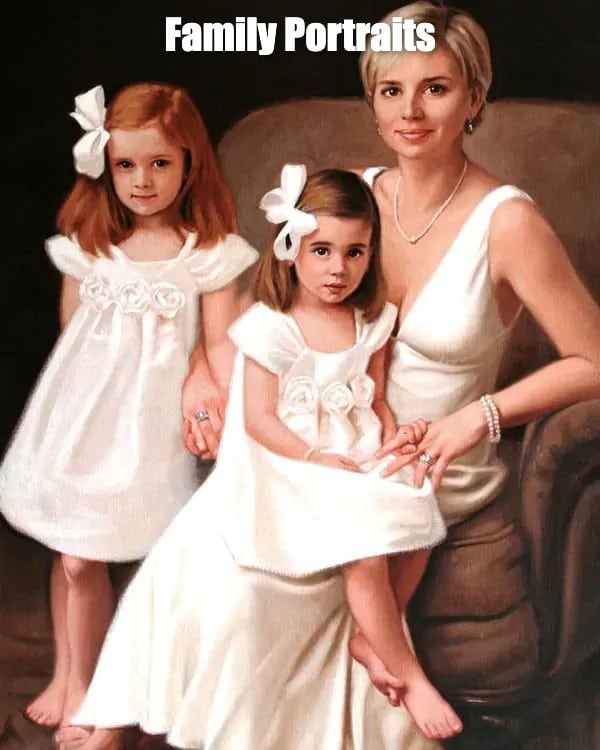
Commissioning a Portrait in North Dakota
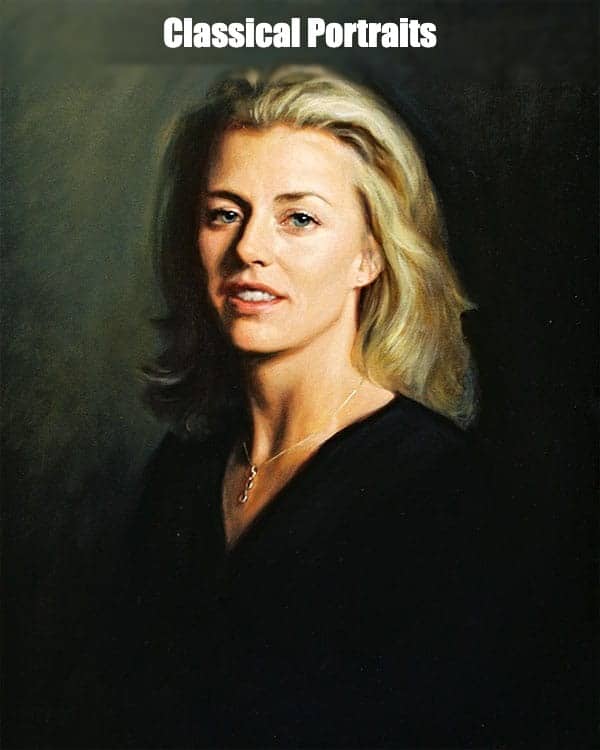
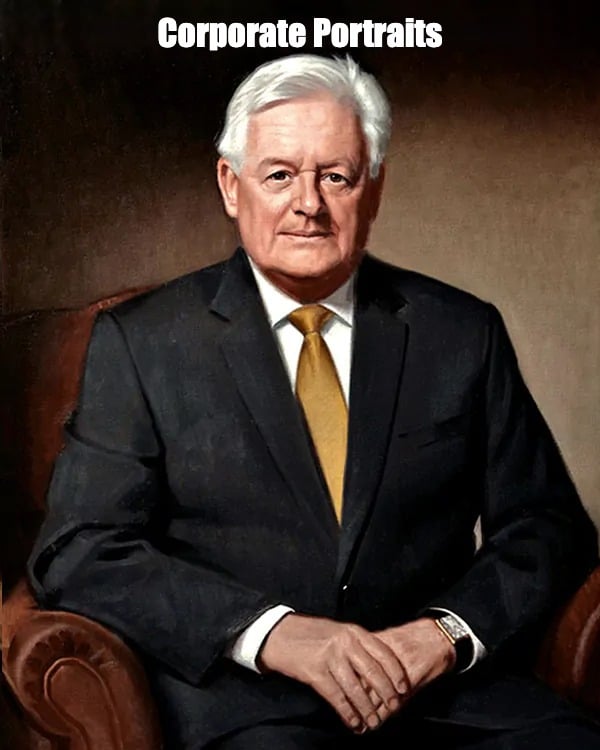
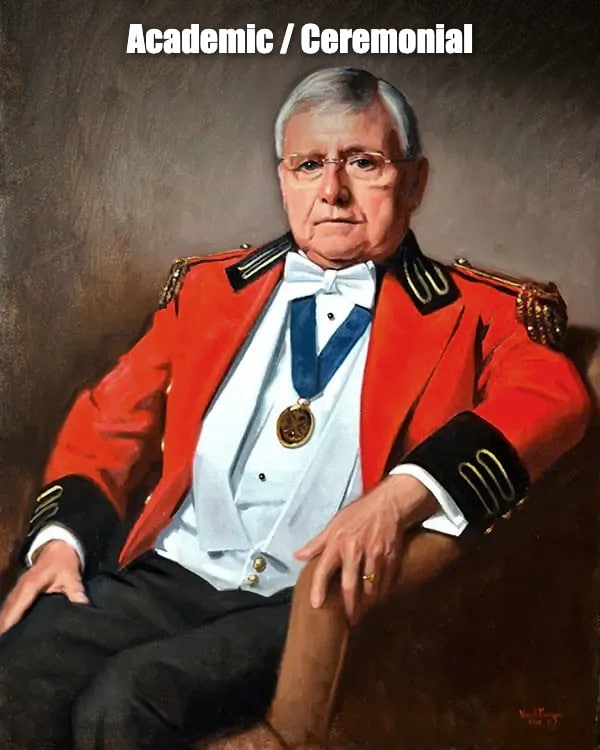
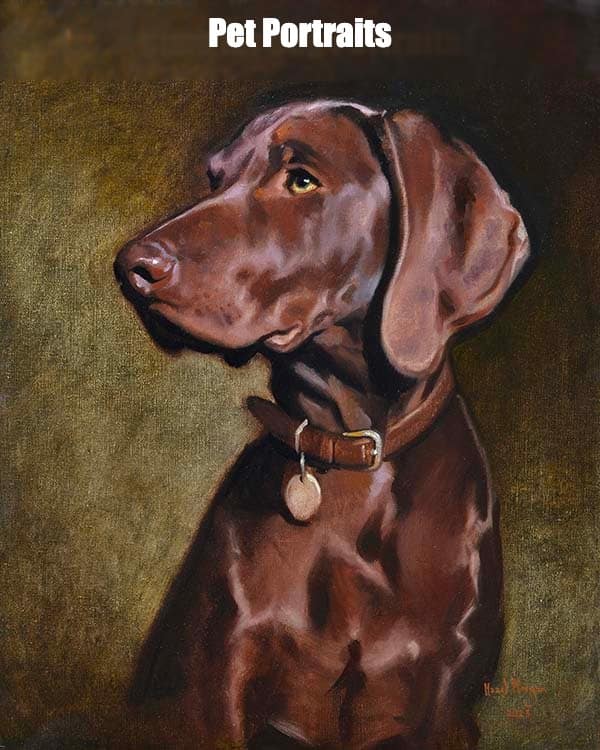
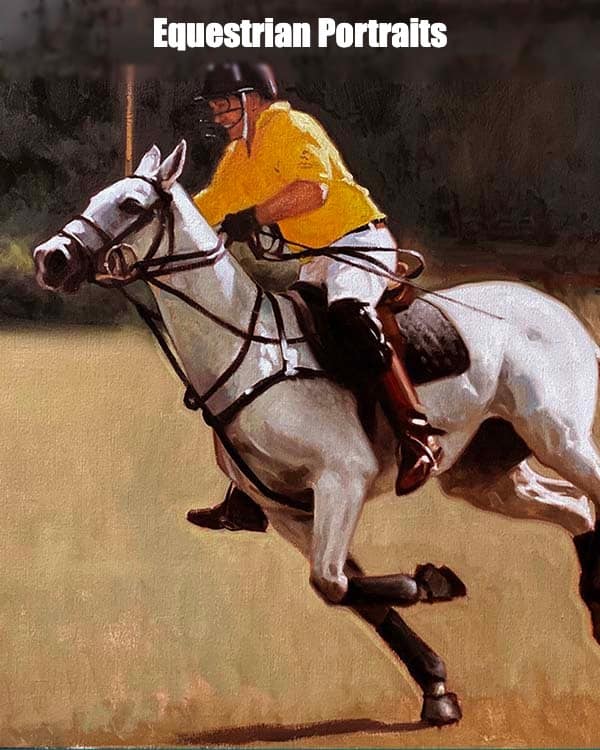
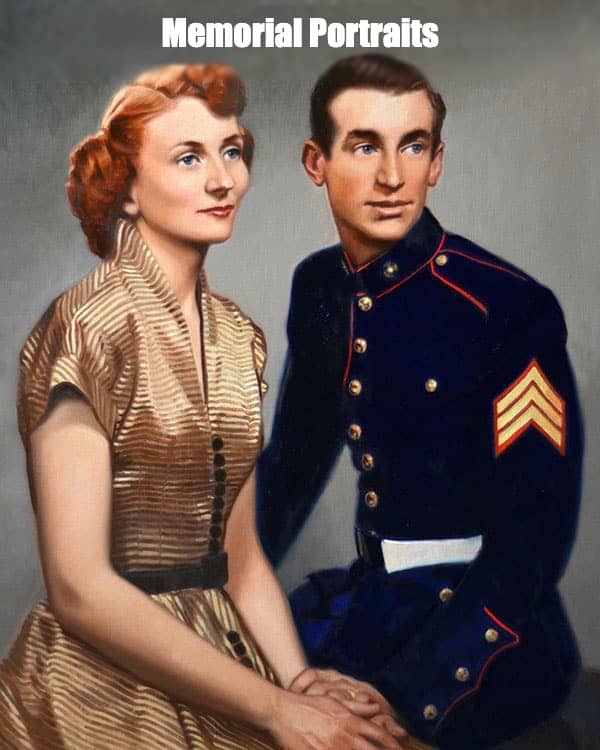
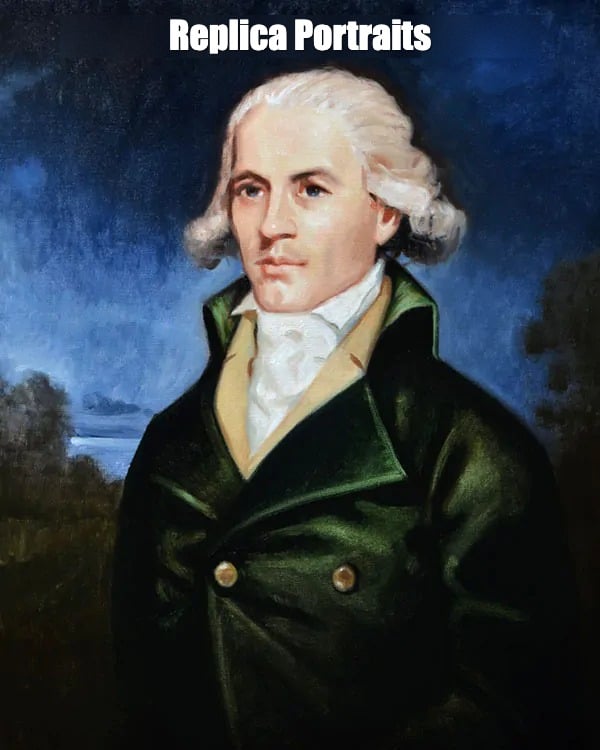
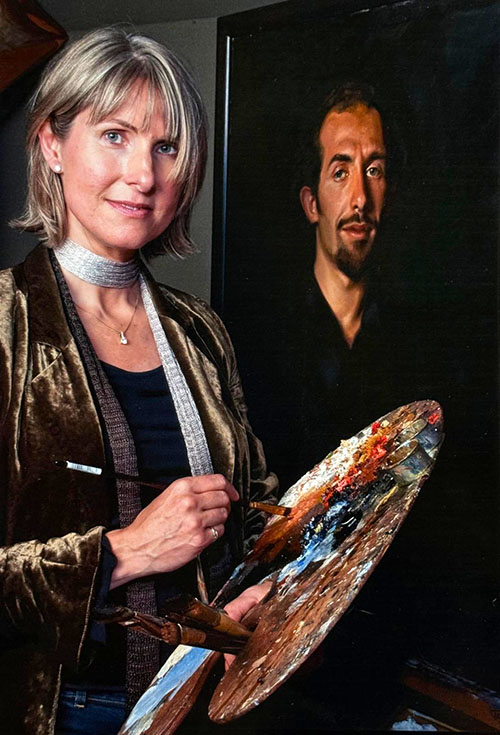
Hazel Morgan provides a bespoke portrait painting service to clients throughout North Dakota. An award-winning artist with over four decades of professional experience, Hazel creates hand-painted oil portraits of exceptional quality for individuals, families, corporations, and institutions across the state.
From the boardroom to the family home, Hazel’s portraits have graced the walls of distinguished collectors, university halls, and corporate headquarters throughout North Dakota. Each commission begins with a personal consultation and results in a work of enduring artistic merit.
Portrait Services in North Dakota Communities
How to Commission a Portrait from North Dakota
Commissioning a portrait from Hazel Morgan is a collaborative and enjoyable experience, regardless of where you are located in North Dakota. The process has been refined over hundreds of commissions to ensure a seamless experience for every client.
Step 1: Initial Consultation
The process begins with a complimentary consultation - by telephone, video call, or email - during which Hazel discusses your vision for the portrait. This covers the subject, preferred composition, size, background, clothing, and any particular details you would like to include. There is no obligation at this stage.
Step 2: Photographs & References
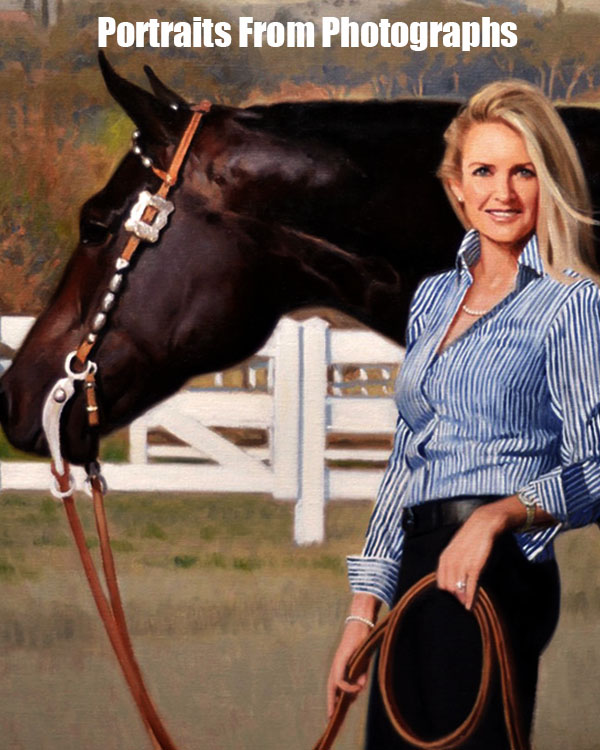
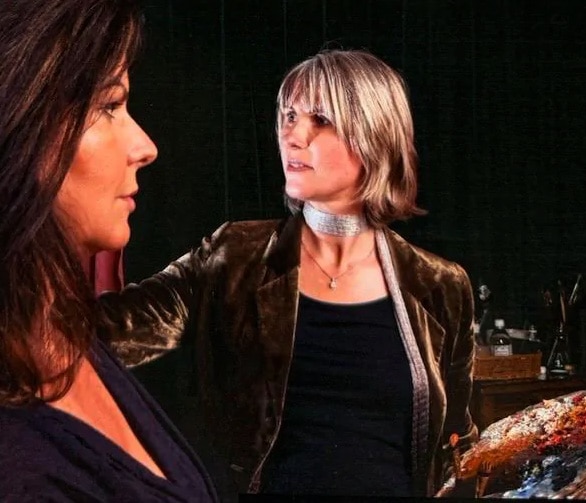
For clients in North Dakota, Hazel can work from professional photographs, high-quality personal photographs, or a combination of multiple reference images. She provides clear guidance on the types of photographs that produce the best results. Where feasible, live sittings can also be arranged.
Step 3: The Painting Process
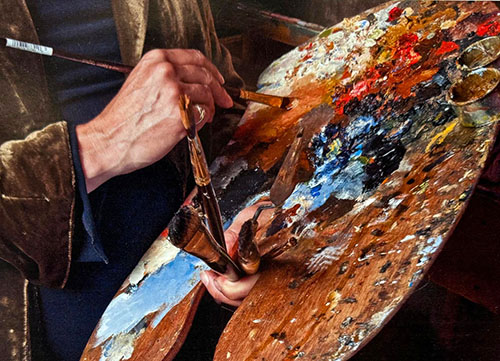
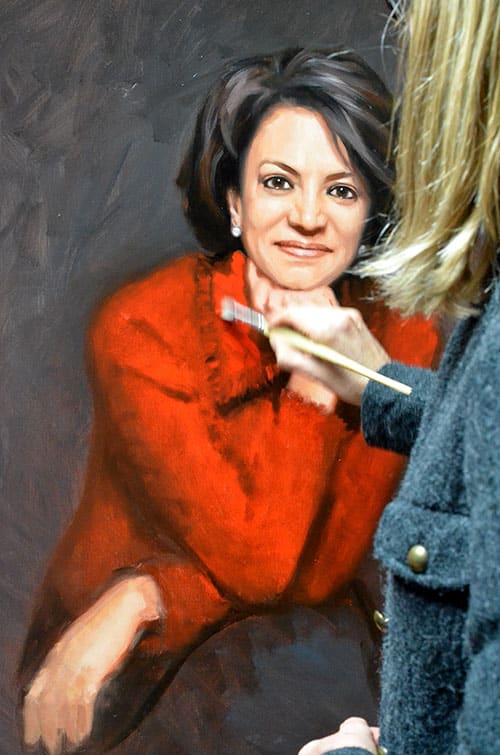
Once the composition is agreed, Hazel begins painting. The process typically takes between six and twelve weeks depending on the complexity of the piece. Clients receive progress photographs at key stages so you can see the portrait taking shape and provide feedback before completion.
Step 4: Delivery & Framing
Completed portraits are professionally packaged for shipping. Shipping and framing costs are provided once the painting is complete. Hazel can also recommend master framers who specialise in fine art framing to complement your finished portrait. Clients in North Dakota typically receive their portrait within one to two weeks of completion.
Why Clients in North Dakota Choose Hazel Morgan
Hazel Morgan brings a rare combination of artistic excellence, professional reliability, and personal warmth to every commission. Here is what sets her apart:
Over 40 years of professional experience - Hazel has been painting portraits professionally since the early 1980s, amassing a body of work that spans hundreds of commissions for private, corporate, and institutional clients worldwide.
Award-winning recognition - Her work has been exhibited at the Royal Society of Portrait Painters, the Royal Institute of Oil Painters, and other prestigious venues. She is a member of several leading art societies.
A personal, one-to-one service - Unlike studio operations, every portrait is painted entirely by Hazel herself. You deal directly with the artist from first consultation through to delivery, ensuring your vision is faithfully realised.
International shipping expertise - Hazel regularly ships completed portraits to clients across the United States, United Kingdom, Europe, and beyond. Every painting is professionally packaged to arrive in perfect condition.
Complete satisfaction guaranteed - Hazel works closely with each client throughout the painting process. Progress images are shared at every stage, and adjustments are made until you are completely happy with the finished portrait.
Frequently Asked Questions - Portrait Commissions in North Dakota
Hazel provides personalized quotations after an initial telephone consultation, during which she discusses your specific requirements. The consultation is complimentary and entirely without obligation. Please get in touch to arrange a convenient time to talk.
Not at all. The majority of Hazel’s commissions are painted from photographs, which makes the process convenient for clients in North Dakota and beyond. Hazel provides guidance on the best types of photographs to supply. Live sittings can be arranged where practical.
Most portraits are completed within six to twelve weeks from the start of painting, depending on the complexity of the commission. Hazel provides a realistic timeline during the initial consultation. Rush commissions can sometimes be accommodated for special occasions.
Hazel has extensive experience working with a range of photographic references, including older or lower-resolution images. She can often combine multiple photographs to create a single cohesive portrait. During the consultation, she will advise on whether your available photographs are suitable.
Completed portraits are professionally packaged using custom-built crating and shipped via insured courier directly to your address in North Dakota. Shipping and framing are quoted separately after the portrait is completed.
Client satisfaction is paramount. Hazel shares progress photographs at key stages throughout the painting process so you can provide feedback and request adjustments. This collaborative approach means that by the time the portrait is complete, it faithfully reflects your vision.
Why Hazel Loves North Dakota
Hazel admires North Dakota for the quiet honesty she finds woven into the fabric of everyday life there. There is something about the wide, open plains and the vast Prairie sky that strips away pretense and leaves only what is real - and that quality shows up in the people she meets. Whether she is working with a family in Bismarck or connecting with a client near the Theodore Roosevelt National Park badlands, Hazel finds that North Dakotans carry a kind of grounded dignity that translates beautifully onto canvas. They are people who have been shaped by hard winters, by land that demands respect, and by communities that lean on one another - and all of that lived experience shows in their faces in the most moving ways.
Hazel loves the warmth she encounters the moment she begins a conversation with a new client from the state. North Dakotans tend to be unhurried and genuinely present, which makes the portrait process feel less like a formal sitting and more like a meaningful exchange between two people. She has had the privilege of working with clients connected to the Northern Plains Heritage Foundation, and those conversations deepened her appreciation for how strongly people here value storytelling and preservation. That spirit aligns perfectly with what portrait painting is at its core - a way of saying that this person mattered, that their face and their story deserve to be remembered and celebrated long after a moment has passed.
Hazel also admires the cultural richness that many outsiders overlook when they think of North Dakota. The state has a layered history shaped by Indigenous nations, Scandinavian and German settlers, and resilient agricultural communities, and that diversity gives faces a kind of depth and texture that she finds endlessly inspiring as a painter. The heritage reflected in places like the Knife River Indian Villages reminds her that portraiture has always been a form of reverence - a way of honoring those who came before.
Hazel also loves returning to North Dakota whenever she can, because the landscape itself resets something in her creative spirit. The stillness of the plains, the dramatic light that falls across the horizon at dusk, and the unpretentious kindness of the people she works with remind her exactly why she became a portrait artist in the first place - to look closely at a human being and reflect back what is genuinely there.
Ready to Commission Your Portrait?
Begin with a complimentary, no-obligation consultation. Hazel would love to discuss your portrait ideas and provide a personalized quotation for clients in North Dakota.
Request a Free ConsultationNorth Dakota Counties Hazel Paints Portraits In
Adams, Barnes, Benson, Billings, Bottineau, Bowman, Burke, Burleigh, Cass, Cavalier, Dickey, Divide, Dunn, Eddy, Emmons, Foster, Golden Valley, Grand Forks, Grant, Griggs, Hettinger, Kidder, LaMoure, Logan, McHenry, McIntosh, McKenzie, McLean, Mercer, Morton, Mountrail, Nelson, Oliver, Pembina, Pierce, Ramsey, Ransom, Renville, Richland, Rolette, Sargent, Sheridan, Sioux, Slope, Stark, Steele, Stutsman, Towner, Traill, Walsh, Ward, Wells and Williams.
Towns in North Dakota Where Hazel’s Portrait Clients Live
Fargo, North Fargo, Rose Creek, West Fargo, Horace, Casselton, Kindred, Moorhead across the river, Grand Forks, East Grand Forks, Grafton, Park River, Devils Lake, Bismarck, Mandan, Lincoln, Washburn, Garrison, Minot, Burlington, Velva, Rugby, Bottineau, Bowbells, Williston, Watford City, Tioga, Stanley, New Town, Dickinson, Belfield, Medora, Beach, Hettinger, Mott, Elgin, Linton, Strasburg, Wishek, Ashley, Jamestown, Valley City, Carrington, Cooperstown, Wahpeton, Lisbon, Oakes, Ellendale, Langdon, Cavalier, Pembina, Walhalla and Cando.
George Catlin, the Badlands and the North Dakota Portrait
The Mandan villages on the upper Missouri were painted more carefully, by more good artists, in a shorter space of time, than almost any community in the history of North America. Within a few years of the last brushstroke, most of the people in those pictures were dead of smallpox. It is the most consequential portrait episode in American art, and it happened in North Dakota.
The land is Mandan, Hidatsa, Arikara, Lakota, Dakota and Ojibwe homeland. The earth-lodge villages at the Knife River confluence were a trading centre for the whole northern plains long before Europeans arrived - Plains peoples came there to exchange horses, corn, guns and furs. Lewis and Clark wintered at Fort Mandan in 1804 and 1805, and it was there that they engaged Toussaint Charbonneau and, far more importantly, Sakakawea.
George Catlin came up the river in 1832, painted the Mandan chief Mah-to-toh-pa, Four Bears, and recorded the villages in a body of work he later toured as his Indian Gallery. Karl Bodmer followed the next year with Prince Maximilian of Wied and painted the same people with even greater precision. In 1837 a steamboat brought smallpox up the Missouri and the Mandan population fell from around sixteen hundred to something close to a hundred and thirty. The paintings became the record.
Catlin was blunt about his purpose. He had set out, he said, to paint people who were vanishing, and to do it while they could still be seen as they were. Whatever one thinks of that framing, the pictures are portraits of named individuals, made from life, and they are all that remains of some of those faces.
The descendants are still there. The Three Affiliated Tribes - Mandan, Hidatsa and Arikara - hold the Fort Berthold Reservation, and the Standing Rock, Turtle Mountain and Spirit Lake nations are also in the state. The Knife River Indian Villages National Historic Site preserves the lodge depressions on the riverbank.
Theodore Roosevelt is the state’s other formative figure. He came to the Badlands in 1883 to shoot bison, bought a cattle interest, and after his wife and mother died on the same day in 1884 returned to ranch at the Elkhorn. He spent much of the next two years there and later said he would never have become president without North Dakota. The national park in his name protects the Badlands he rode over, and the Theodore Roosevelt Presidential Library opened at Medora in 2026.
Settlement came with the railway and it came from Norway. North Dakota has the highest proportion of Norwegian ancestry of any state, along with substantial German, German-Russian, Icelandic and Ukrainian communities. The German-Russians of the south-central counties brought a distinctive iron grave-cross tradition from the steppe, and the wrought-iron crosses in the cemeteries around Strasburg and Linton are genuine folk sculpture.
The Bonanza farms of the Red River valley were something else again - corporate wheat operations of twenty and thirty thousand acres in the 1880s, run like factories. Bagg Bonanza Farm near Mooreton survives. Today the valley grows sugar beet, soybeans and some of the best hard red spring wheat in the world, and the Bakken shale under the west made the state, briefly, the second largest oil producer in America.
The institutions are small and serious. The North Dakota Museum of Art at Grand Forks, in a converted gymnasium, has an international reputation out of all proportion to its size. The Plains Art Museum at Fargo occupies a former warehouse. The Heritage Center at Bismarck holds the state’s archaeological and Native collections, and the International Peace Garden straddles the Manitoba border at Dunseith.
Commissions come from a few clear places. Fargo and West Fargo, which have grown steadily and now hold most of the state’s professional families. Grand Forks. Bismarck and Mandan. Minot. Williston and Watford City in the oil counties. And the ranching country around Medora, Dickinson and the Little Missouri.
Institutional portraiture is steady: the University of North Dakota, North Dakota State, Minot State, the University of Mary, Sanford and Altru medical centres, the tribal colleges, the state capitol at Bismarck - a nineteen-storey art deco tower built after the old one burned in 1930, known locally as the Skyscraper on the Prairie - the federal courts and the older Fargo and Bismarck firms.
The characteristic commission here is a farm or ranch succession, very often marking a centennial. Quarter horses, stock dogs, combines and a great deal of sky. North Dakotans are not given to display, and a portrait made here should be truthful before it is flattering - which, as Catlin found on the Missouri, generally produces the better picture anyway.