

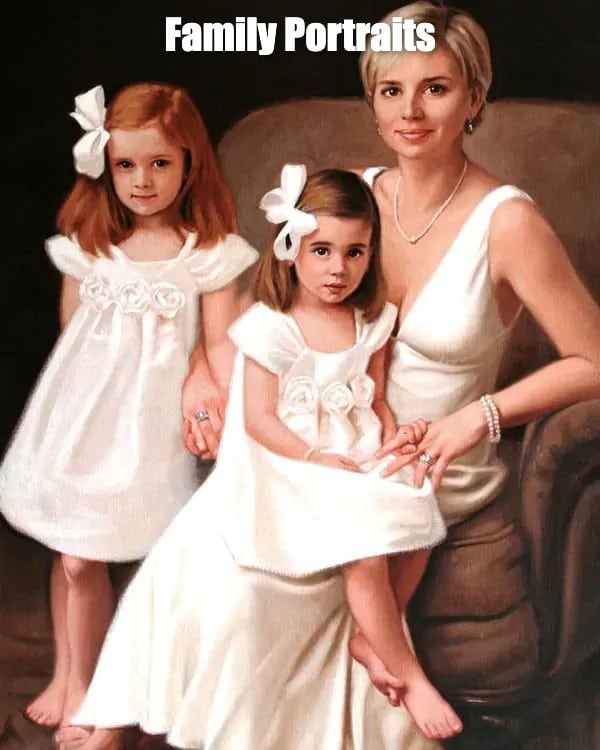
Commissioning a Portrait in Hawaii
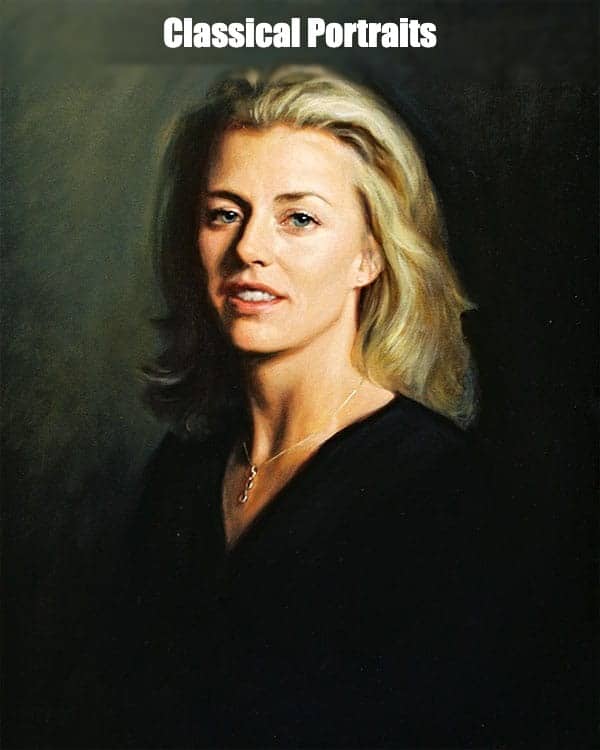
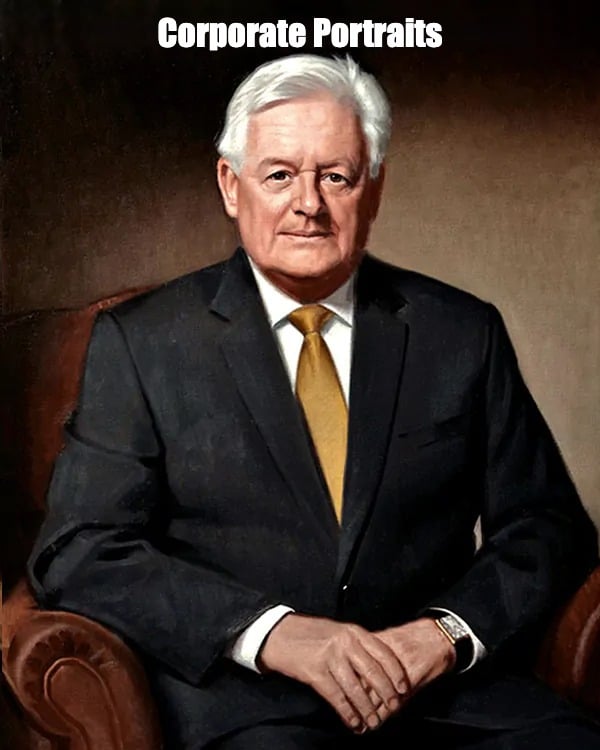
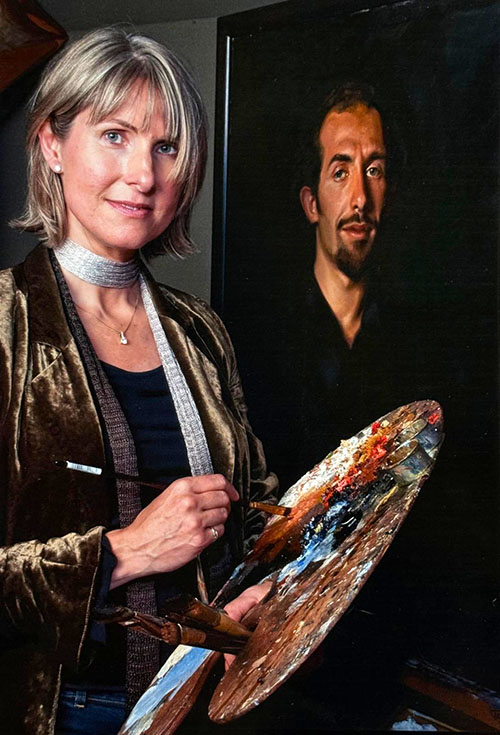
Hazel Morgan provides a bespoke portrait painting service to clients throughout Hawaii. An award-winning artist with over four decades of professional experience, Hazel creates hand-painted oil portraits of exceptional quality for individuals, families, corporations, and institutions across the state.
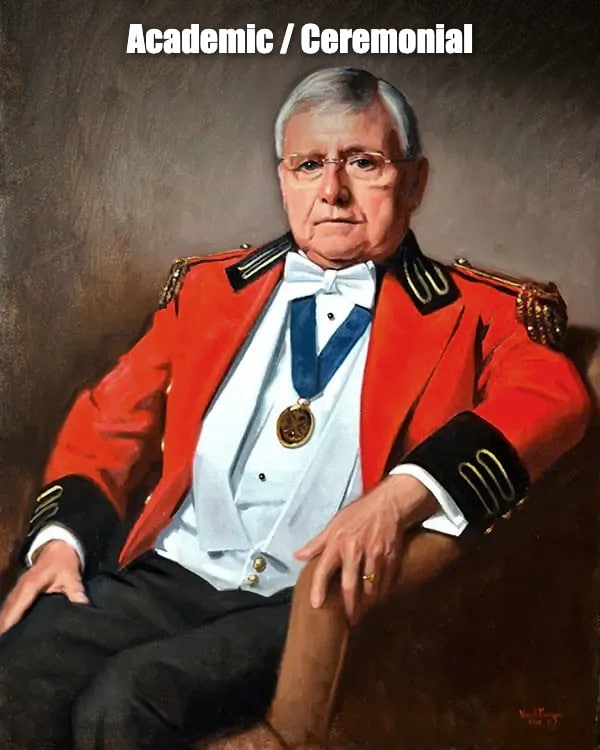
From the boardroom to the family home, Hazel’s portraits have graced the walls of distinguished collectors, university halls, and corporate headquarters throughout Hawaii. Each commission begins with a personal consultation and results in a work of enduring artistic merit.
Portrait Services in Hawaii Communities
How to Commission a Portrait from Hawaii
Commissioning a portrait from Hazel Morgan is a collaborative and enjoyable experience, regardless of where you are located in Hawaii. The process has been refined over hundreds of commissions to ensure a seamless experience for every client.
Step 1: Initial Consultation
The process begins with a complimentary consultation - by telephone, video call, or email - during which Hazel discusses your vision for the portrait. This covers the subject, preferred composition, size, background, clothing, and any particular details you would like to include. There is no obligation at this stage.
Step 2: Photographs & References
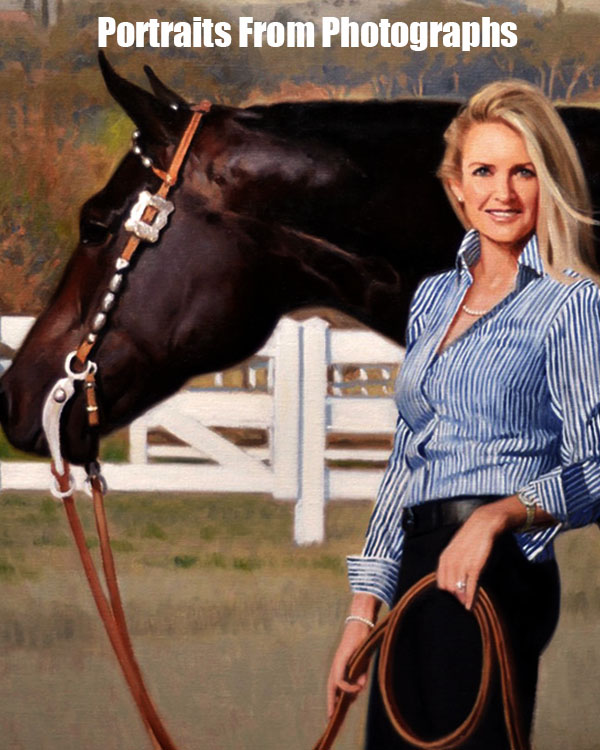
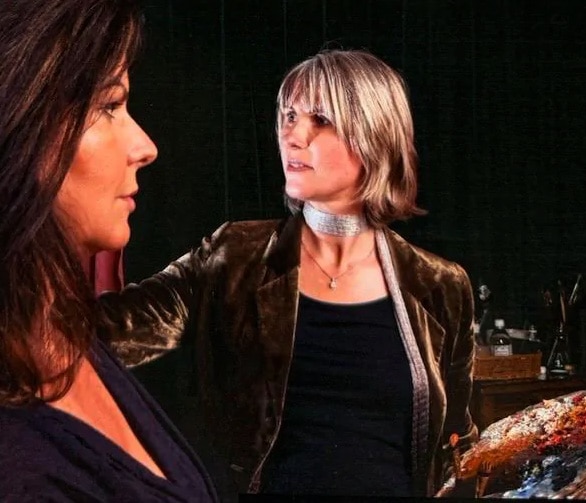
For clients in Hawaii, Hazel can work from professional photographs, high-quality personal photographs, or a combination of multiple reference images. She provides clear guidance on the types of photographs that produce the best results. Where feasible, live sittings can also be arranged.
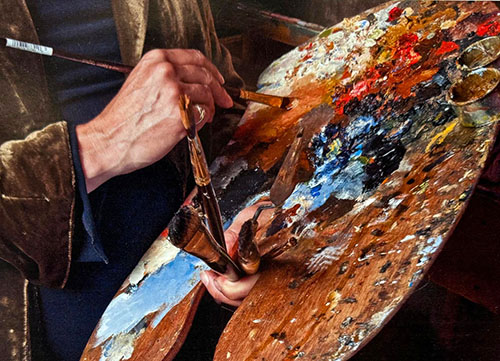
Step 3: The Painting Process
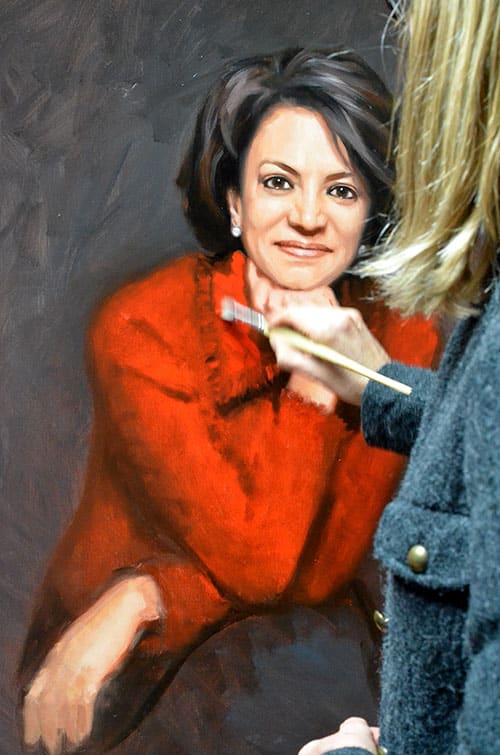
Once the composition is agreed, Hazel begins painting. The process typically takes between six and twelve weeks depending on the complexity of the piece. Clients receive progress photographs at key stages so you can see the portrait taking shape and provide feedback before completion.
Step 4: Delivery & Framing
Completed portraits are professionally packaged for shipping. Shipping and framing costs are provided once the painting is complete. Hazel can also recommend master framers who specialise in fine art framing to complement your finished portrait. Clients in Hawaii typically receive their portrait within one to two weeks of completion.
Why Clients in Hawaii Choose Hazel Morgan
Hazel Morgan brings a rare combination of artistic excellence, professional reliability, and personal warmth to every commission. Here is what sets her apart:
Over 40 years of professional experience - Hazel has been painting portraits professionally since the early 1980s, amassing a body of work that spans hundreds of commissions for private, corporate, and institutional clients worldwide.
Award-winning recognition - Her work has been exhibited at the Royal Society of Portrait Painters, the Royal Institute of Oil Painters, and other prestigious venues. She is a member of several leading art societies.
A personal, one-to-one service - Unlike studio operations, every portrait is painted entirely by Hazel herself. You deal directly with the artist from first consultation through to delivery, ensuring your vision is faithfully realised.
International shipping expertise - Hazel regularly ships completed portraits to clients across the United States, United Kingdom, Europe, and beyond. Every painting is professionally packaged to arrive in perfect condition.
Complete satisfaction guaranteed - Hazel works closely with each client throughout the painting process. Progress images are shared at every stage, and adjustments are made until you are completely happy with the finished portrait.
Frequently Asked Questions - Portrait Commissions in Hawaii
Hazel provides personalized quotations after an initial telephone consultation, during which she discusses your specific requirements. The consultation is complimentary and entirely without obligation. Please get in touch to arrange a convenient time to talk.
Not at all. The majority of Hazel’s commissions are painted from photographs, which makes the process convenient for clients in Hawaii and beyond. Hazel provides guidance on the best types of photographs to supply. Live sittings can be arranged where practical.
Most portraits are completed within six to twelve weeks from the start of painting, depending on the complexity of the commission. Hazel provides a realistic timeline during the initial consultation. Rush commissions can sometimes be accommodated for special occasions.
Hazel has extensive experience working with a range of photographic references, including older or lower-resolution images. She can often combine multiple photographs to create a single cohesive portrait. During the consultation, she will advise on whether your available photographs are suitable.
Completed portraits are professionally packaged using custom-built crating and shipped via insured courier directly to your address in Hawaii. Shipping and framing are quoted separately after the portrait is completed.
Client satisfaction is paramount. Hazel shares progress photographs at key stages throughout the painting process so you can provide feedback and request adjustments. This collaborative approach means that by the time the portrait is complete, it faithfully reflects your vision.
Why Hazel Loves Hawaii
Hazel admires Hawaii for the extraordinary quality of light that washes over the islands at every hour of the day. There is something almost painterly about the way the sun moves across volcanic landscapes and filters through the lush canopy of tropical greenery, casting warm golden tones that feel entirely unlike anywhere else in the world. For a portrait artist, this kind of light is genuinely transformative - it illuminates the human face with a softness and depth that makes her work feel richer and more alive. Hazel often says that when she paints a portrait in Hawaii, the island itself feels like a quiet collaborator, lending its glow to every brushstroke.
Hazel loves the warmth and openness of the people she meets there, and she believes that warmth finds its way directly into her portraits. Hawaiian culture carries a deep reverence for family, community, and storytelling - values of aloha that her clients bring with them when they sit for a painting. She has had the privilege of working with families connected to Bishop Museum, Hawaii's remarkable repository of Polynesian history and culture, and those conversations about ancestry and identity have enriched her understanding of what it means to truly capture a person's spirit on canvas. Knowing something of a subject's heritage always deepens a portrait, and Hawaii offers that richness in abundance.
Hazel also admires the distinct character of Honolulu's neighbourhoods, particularly the creative energy found along the streets of Kakaako, where local murals and galleries speak to an artistic community that is confident, vibrant, and deeply rooted in place. That spirit resonates with her own belief that great portraiture should feel honest and grounded rather than polished and distant. Walking through those streets reminds her to paint people as they truly are - full of colour, complexity, and life.
Hazel also loves the natural drama of places like Hawaiʻi Volcanoes National Park, not because she paints landscapes, but because standing at the edge of something so ancient and powerful puts the human face back into beautiful perspective. It reminds her that every person who sits for a portrait carries their own quiet depth, and that her job is simply to find it and honour it with care.
Ready to Commission Your Portrait?
Begin with a complimentary, no-obligation consultation. Hazel would love to discuss your portrait ideas and provide a personalized quotation for clients in Hawaii.
Request a Free ConsultationHawaiian Counties Hazel Paints Portraits In
Hawaiʻi County, on the Big Island; Honolulu County, covering the whole of Oʻahu; Kauaʻi County, taking in Kauaʻi and Niʻihau; Maui County, comprising Maui, Molokaʻi and Lānaʻi; and Kalawao County on the Kalaupapa peninsula of Molokaʻi - the smallest county in the United States, administered separately in recognition of the community sent there from 1866, and treated with the respect that history deserves.
Towns in Hawaiʻi Where Hazel’s Portrait Clients Live
Honolulu, Kāhala, Diamond Head, Black Point, Waiʻalae Iki, Hawaiʻi Loa Ridge, Mānoa, Nuʻuanu, Dowsett Highlands, Makiki Heights, Tantalus, Waikīkī, Ala Moana, Kaimukī, Hawaiʻi Kai, Portlock, Aina Haina, Kailua, Lanikai, Kāneʻohe, Haiku Kailua, Waimānalo, Haleiwa, Sunset Beach, Pupukea, Kahala Avenue, Ko Olina, Kapolei, Wailea, Mākena, Kāʻanapali, Kapalua, Lahaina, Paia, Haʻikū, Makawao, Kula, Hāna, Wailuku, Kīhei, Princeville, Hanalei, Kīlauea Kauaʻi, Kōloa, Poʻipū, Kalāheo, Līhuʻe, Kailua-Kona, Waimea Kamuela, Mauna Lani, Hualālai, Kohala and Hilo.
ʻIolani Palace, Madge Tennent and the Hawaiian Portrait
Hawaiʻi is the only American state that was a sovereign kingdom with its own court, its own orders of chivalry and its own commissioned royal portraits. Those paintings still hang in the palace they were made for, which is something no other state can say.
Polynesian voyagers reached these islands from the Marquesas and Tahiti between roughly AD 1000 and 1200, navigating thousands of miles of open Pacific by stars, swell and birds. Kamehameha I united the islands by 1810. The Kingdom of Hawaiʻi was recognised by Britain, France and the United States, sent diplomats abroad, and was overthrown in 1893 by American business interests with the support of United States marines. Annexation followed in 1898 and statehood in 1959.
Before European painting arrived there was already a sophisticated art of the person. The ʻahu ʻula - feather cloaks made from hundreds of thousands of tiny feathers knotted onto netting - and the mahiole helmets and kāhili standards were made for named individuals and carried genealogy in their design. The Bishop Museum, founded in 1889, holds the greatest collection of them in the world.
The royal portraits came with the kingdom. From the 1830s visiting and resident painters recorded the aliʻi in European court dress: Kamehameha III, Kalākaua, Queen Emma, Queen Kapiʻolani and Liliʻuokalani. ʻIolani Palace, completed in 1882 with electric light installed before the White House had it, is the only royal palace on American soil, and its throne room hangs with those pictures. Liliʻuokalani was imprisoned upstairs in 1895 and wrote music there.
Madge Tennent is the painter who changed how Hawaiians were shown. Born in England, raised in South Africa, trained in Paris under William Bouguereau, she arrived in Honolulu in 1923 and spent the rest of her life painting Hawaiian women - monumental, broad, sculptural figures rendered in thick impasto, deliberately unlike the delicate colonial picturesque. She insisted her sitters be shown as physically magnificent, and she was right.
Others followed. Jean Charlot, a French-Mexican muralist, taught at the University of Hawaiʻi from 1949 and left frescoes across the islands. Juliette May Fraser painted murals and portraits for decades. Herb Kāne, a Native Hawaiian painter, illustrated the voyaging traditions and helped design the Hōkūleʻa, the canoe that sailed to Tahiti in 1976 without instruments and reopened the whole question of Polynesian navigation.
The Honolulu Museum of Art, founded by Anna Rice Cooke in 1927 in a house built around courtyards, holds the largest single collection of Asian art in the United States alongside a good Western one. Its guided visits to Shangri La - Doris Duke’s Islamic art estate at Black Point, built from 1937 - are among the more remarkable things to see anywhere in the country.
The islands are visually specific in ways that matter to a painter. The light is close to vertical for much of the year, the shadows are short and sharp, the greens are darker than mainland greens and the reflected light off water is everywhere. A portrait made outdoors here needs a different approach from one made in New England or the Midwest.
Commissions come from a well-defined set of places. On Oʻahu: Kāhala, Diamond Head, Black Point, Mānoa, Nuʻuanu, Makiki Heights, Hawaiʻi Loa Ridge, and the windward side at Kailua and Lanikai. On Maui: Wailea, Mākena, Kapalua, and upcountry at Makawao and Kula. On Hawaiʻi Island: Kohala, Mauna Lani, Hualālai and the ranching country around Waimea. On Kauaʻi: Princeville, Hanalei and Poʻipū.
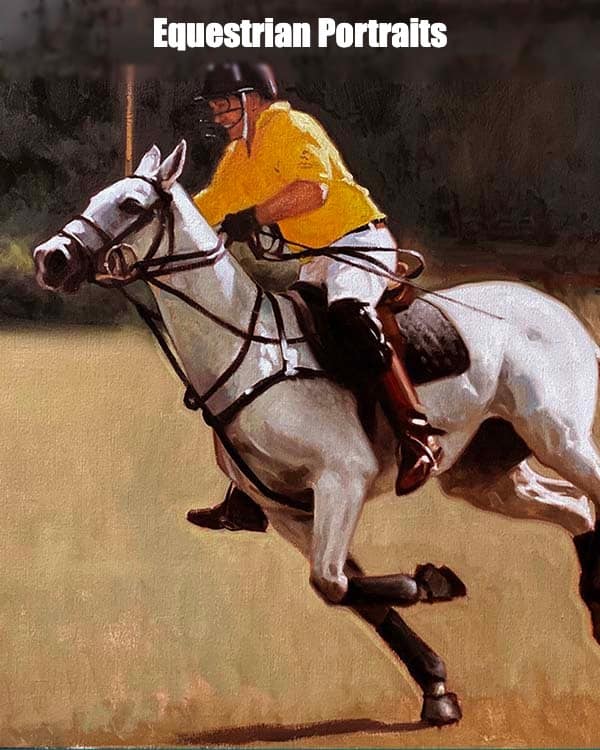
Waimea deserves its own note. Parker Ranch, founded in 1847, was for a long time among the largest cattle ranches in the United States, and the paniolo - Hawaiian cowboys, who learned from Mexican vaqueros brought over in the 1830s and therefore predate the mainland cowboy - remain a living tradition. Equestrian and ranch portraits are ordinary commissions on that side of the island.
Institutional portraiture is active: the University of Hawaiʻi, Chaminade, Hawaiʻi Pacific, the Kamehameha Schools, Punahou and ʻIolani, Queen’s Medical Center, Kapiʻolani, the state capitol, the federal courts and the older Honolulu firms.
Family is the organising idea here. ʻOhana extends well beyond the household, genealogy is recited rather than filed, and a commissioned portrait is understood as belonging to a line rather than to a person. That is very close to what portraiture was originally for, and it makes Hawaiʻi an unusually good place to paint one.