

Classical Portrait Paintings in Oil
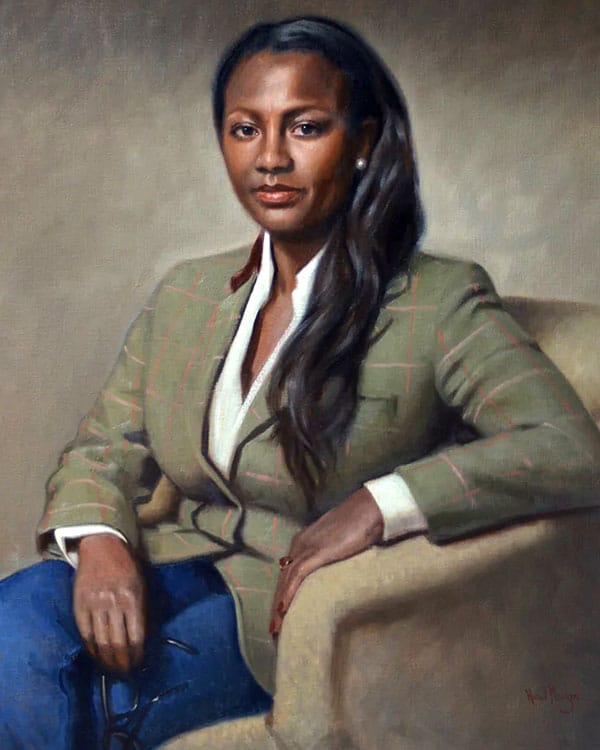
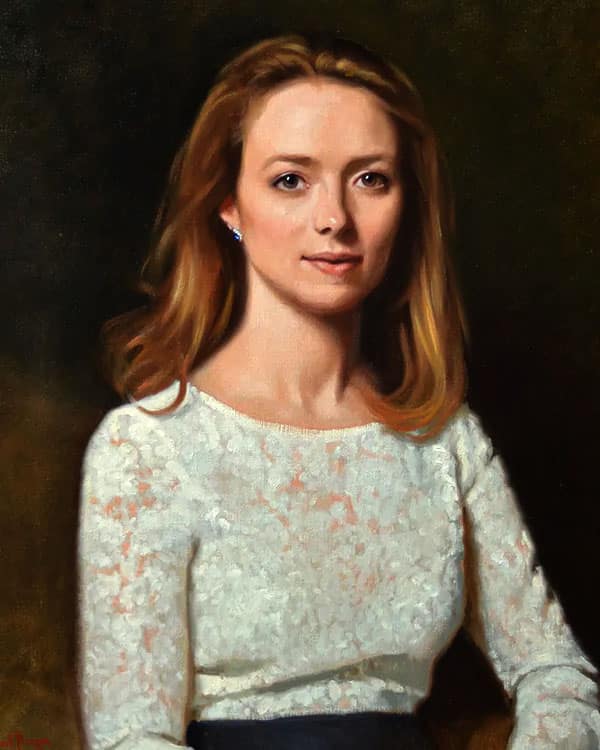


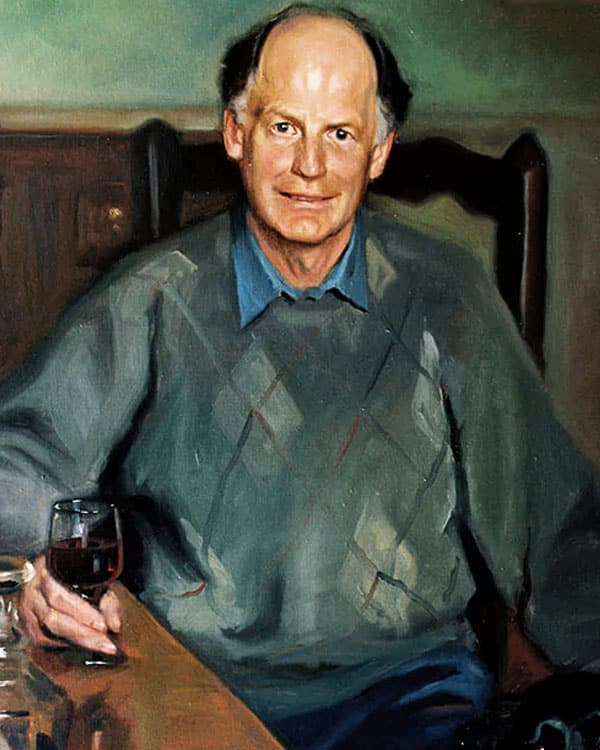


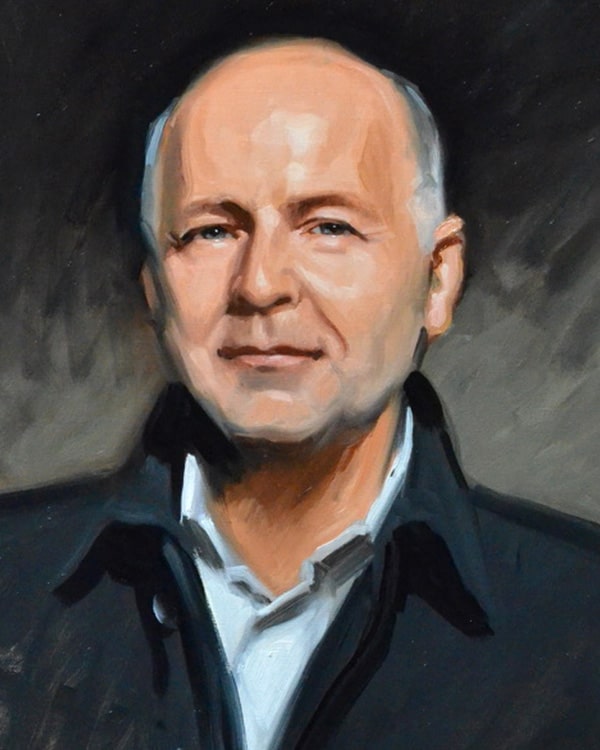
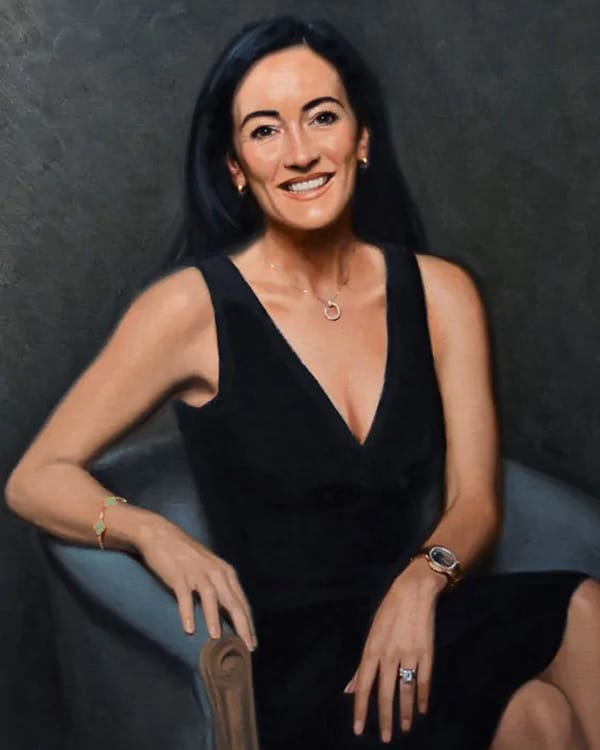
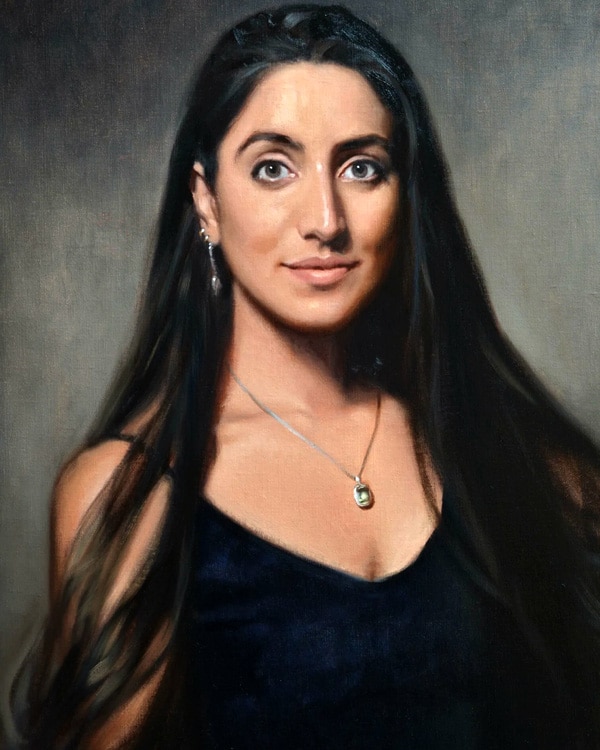
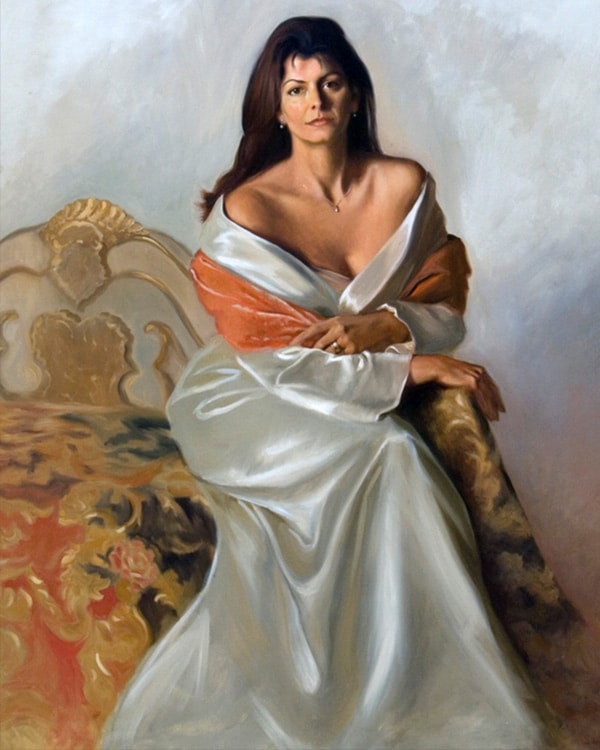
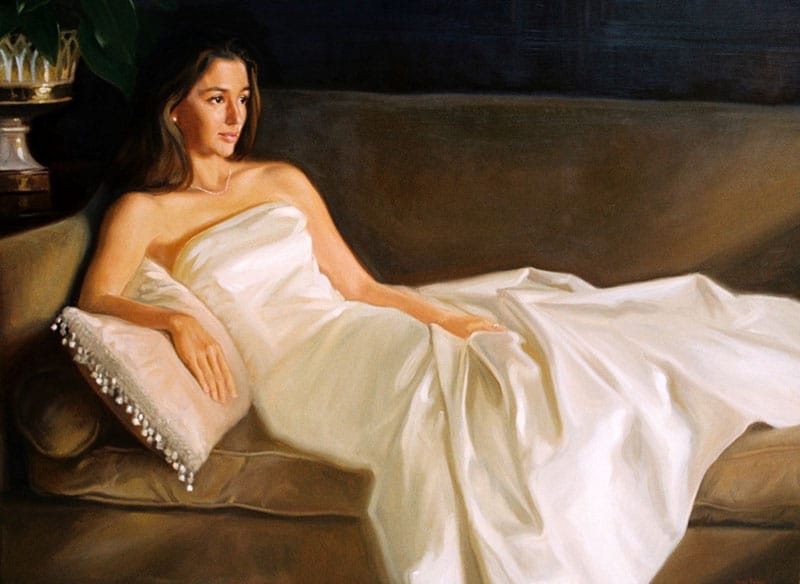
When it comes to informal portrait painting, oil is often the preferred choice of medium due to its ability to capture nuanced details, subtle expressions and lifelike qualities that no other medium can achieve. The richness of color and textures possible with oil paints also adds a special dimension that gives portrait paintings more depth than other artistic media.
Choosing a portrait artist who understands how to paint with oils is essential for achieving the desired result. A skilled portrait painter will be able to capture every detail from the subject’s facial features to their hairstyle, clothing and posture. Most portrait artists have a portfolio of work that prospective clients can review before committing to a commission.
Informal portrait paintings are an ideal way to commemorate special occasions such as birthdays, anniversaries or graduations while also making a lasting impression on viewers. While these portrait paintings may be considered informal, they still require skill and dedication from both the artist and sitter in order to achieve a beautiful result that will last for years to come.
If you are considering having an informal portrait painting done with oils, it is important to research portrait painters thoroughly and find one whose style matches your vision. Not only will this ensure you get the perfect painting, but you will also be able to look back fondly on the experience of having a portrait made.
Informal portrait paintings with oil are a timeless way to capture someone’s essence, personality and character in an artistic form. Whether you wish to commemorate an important moment or simply have a portrait painted as a gift, it is worth considering commissioning a portrait artist who has skill and experience painting with oils. By doing so, you can ensure that your portrait painting not only looks beautiful but also stands the test of time.
COMMISSION A PORTRAIT
Creating a stunning portrait requires effective communication and collaboration with my clients every step of the way. As a portrait painter, I understand the importance of understanding your vision and preferences when you commission a portrait. That’s why we’ll have a friendly chat to discuss your exact requirements, ensuring that I can bring your desired portrait to life. If you’re unsure about what you want, there’s no need to worry because I have extensive experience in guiding and advising my customers.
To make the process even smoother, I have compiled a comprehensive guide to commissioning a portrait on this website. It offers valuable insights on how to capture suitable photos for me to work from and provides a detailed overview of the entire process, from start to finish. If you’re curious and want to learn more, simply click the link below. You’ll also find a list of frequently asked questions that may address any queries you have. Feel free to reach out to me directly if you have any additional questions or concerns—I’m here to assist you.
The Classical Portrait Tradition, Painted for Today
Classical portrait paintings have marked life’s milestones for five centuries: scholars and statesmen, brides and children, captured in oil with a dignity no photograph can quite reproduce. Hazel Morgan works within that tradition — layered oil glazes, considered composition, a restrained palette — while painting people as they live now. The result is a portrait that feels at home beside antique family pictures yet is unmistakably of its own time.
What Defines a Classical Oil Portrait
Three things distinguish the classical approach. First, drawing: the likeness is established with careful draughtsmanship before colour is considered. Second, light: a single, believable light source models the face the way the old masters preferred, lending depth and seriousness. Third, restraint: backgrounds stay quiet — a dark interior, a curtain, a suggestion of landscape — so nothing competes with the sitter.
Choosing a Pose and Setting
Formal three-quarter poses suit boardroom and institutional portraits; relaxed seated poses suit family settings. Hazel advises on dress, background and scale during the consultation, and can paint head-and-shoulders, half-length or full-length compositions depending on where the portrait will hang.
Commissioning a Classical Portrait
Every commission begins with a conversation and your photographs. Hazel then plans the composition, paints in oils on Belgian linen, and ships the finished portrait worldwide. Read about the commission process, browse the galleries, or see how a portrait is painted from photographs.
Frequently Asked Questions
Do classical portraits require a live sitting? No — most are painted from photographs, with guidance on taking suitable ones. A live sitting can be arranged where practical.
What sizes do classical portraits come in? From intimate head studies to full-length canvases; the right size depends on the room and viewing distance, discussed at consultation.
Can a portrait match paintings we already own? Yes. Hazel regularly matches the tone, scale and framing conventions of existing family or institutional collections.