

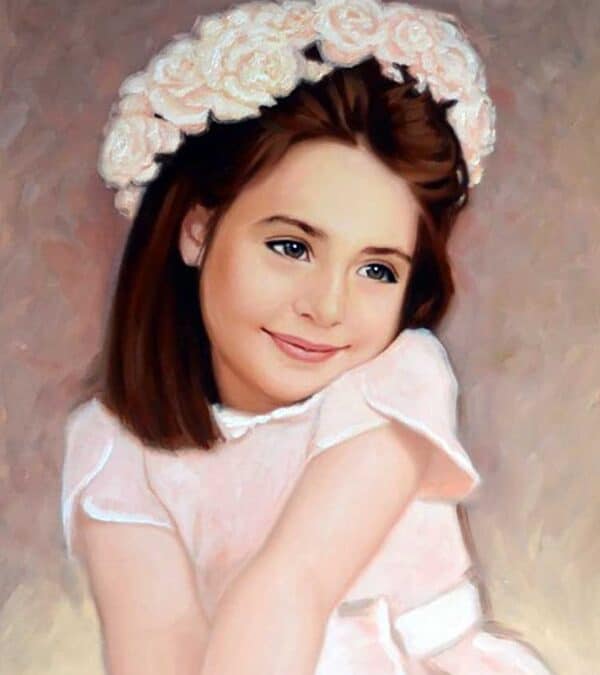
Every portrait begins long before brush meets canvas. Behind every finished painting lies a process of careful observation, planning, and craftsmanship that transforms a collection of photographs and conversations into a work of art that will endure for generations. This article offers a behind-the-scenes look at how a bespoke oil portrait comes to life, from the first consultation through to the final brushstroke.
It Begins with a Conversation
The foundation of every successful portrait is understanding. Before any painting begins, the artist and client have a detailed conversation about the purpose and context of the portrait. Who is the subject? What is the occasion? Where will the portrait hang? What qualities should the painting convey – warmth, authority, vitality, contemplation?
This initial dialogue is more important than many people realise. A portrait is not simply a likeness; it is an interpretation. Two equally skilled artists painting the same person will produce quite different portraits, because each brings their own artistic sensibility to the work. The initial conversation helps the artist understand not just what the subject looks like, but who they are – and how the client wants them to be remembered.
Gathering Reference Material
Once the brief is agreed, the next step is gathering the visual references from which the portrait will be painted. For most contemporary commissions, this means photographs. The artist typically provides detailed guidance on what makes a good reference photograph: natural lighting (preferably from a window or outdoors on an overcast day), a relaxed and natural expression, the subject looking directly at the camera, and clothing that reflects how the subject wishes to be portrayed.
Where possible, multiple photographs are ideal. Different images may capture different aspects of the subject – one might have the best expression, another the best lighting on the hair, a third the most natural hand position. The artist draws from all of these to build a composite understanding of the subject.
For those who prefer it, a live sitting offers something that photographs cannot: the opportunity for the artist to observe the subject in three dimensions, noting how the light falls across the features, how the skin tone shifts from warm to cool, and how the subject’s personality manifests in their posture and gestures. Even a single sitting of an hour or two can add immeasurable depth and vitality to the finished work.
Planning the Composition
With references in hand, the artist begins planning the composition. This involves decisions about the format (head and shoulders, half length, three-quarter, or full length), the pose, the background, and the overall tonal and colour scheme of the painting.
Many artists produce preliminary sketches or digital mock-ups at this stage, allowing the client to visualise the planned composition before painting begins. This is the time to make adjustments – changing the angle, the background colour, or the inclusion of particular details – while it is still easy to do so.
The composition is not merely a technical exercise. It is an artistic decision that profoundly affects the mood and impact of the finished portrait. A subject painted looking directly at the viewer creates an immediate, engaging connection. A three-quarter view suggests contemplation and depth. The placement of the figure within the frame, the balance of light and shadow, and the relationship between foreground and background all contribute to the emotional resonance of the final painting.
Preparing the Canvas
Professional portrait artists typically work on the finest Belgian linen canvas, which offers a subtle texture that enhances the quality of the painted surface. The canvas is stretched over a solid wooden stretcher bar and prepared with multiple layers of primer (known as gesso) to create a smooth, archival-quality surface that will remain stable for centuries.
The quality of the canvas matters enormously. A well-prepared surface allows the paint to adhere properly, accept fine detail, and age gracefully over time. This is one of the hidden investments in a professional portrait – the materials are chosen for permanence, not economy.
The Underpainting
The painting process itself typically begins with an underpainting – a monochromatic rendering of the composition in thin washes of paint, usually in burnt umber or a similar earth tone. The underpainting establishes the tonal structure of the portrait: where the darkest shadows fall, where the brightest highlights will sit, and how the mid-tones transition between them.
This stage may look rough and unfinished to the untrained eye, but it is the skeleton upon which everything else is built. A strong underpainting ensures that the portrait has depth, dimension, and a convincing sense of light from the very beginning.
Building Colour and Form
Once the underpainting is dry, the artist begins applying colour. Oil paint is uniquely suited to portrait painting because of its slow drying time, which allows the artist to blend and manipulate the paint on the canvas for hours at a time. This is what gives oil portraits their characteristic softness and luminosity – the seamless transitions between tones that make skin look alive.
Painting flesh is one of the most demanding challenges in all of art. Skin is not a single colour; it is a complex interplay of warm and cool tones, influenced by the underlying blood vessels, the thickness of the skin, the ambient light, and the reflections from nearby surfaces. A skilled portrait artist may use dozens of different colour mixtures in a single face, layering them with precision to create the illusion of living, breathing flesh.
The eyes receive particular attention. More than any other feature, the eyes convey personality, emotion, and life. Getting them right – the precise angle of the gaze, the catchlight in the iris, the subtle shadow beneath the brow – can make the difference between a competent likeness and a truly compelling portrait.
Refining the Details
As the painting progresses, the artist works from general to specific, gradually refining the details. Hair is built up in layers of translucent colour, rather than painted strand by strand, to achieve a natural, three-dimensional appearance. Clothing is rendered with attention to the fall and weight of the fabric. Background elements are resolved to complement and frame the subject without competing for attention.
Throughout this process, the artist continually steps back from the canvas to assess the painting as a whole. It is easy to become absorbed in the details and lose sight of the overall balance and harmony of the composition. The ability to maintain this dual perspective – working closely on the details while keeping the whole picture in view – is one of the hallmarks of an experienced portrait painter.
Progress Reviews
At several key stages during the painting, the artist shares progress photographs with the client. This is an important part of the collaborative process. It allows the client to see the portrait developing and to provide feedback before the painting is finished.
Common feedback at this stage might include adjustments to the background colour, refinements to the likeness, or changes to small details such as jewellery or clothing. Making these adjustments during the painting process is far easier than making them after the portrait is complete, so clients are encouraged to be open and honest in their feedback.
The Final Brushstrokes
The final stages of a portrait involve the most delicate and considered brushwork. The artist refines the highlights, deepens the shadows where needed, and adds the small touches of detail that bring the painting to life – the glint in an eye, the soft highlight on a lip, the almost imperceptible shift from warm to cool in the shadow beneath a cheekbone.
Knowing when a portrait is finished is itself a skill. Overworking a painting can rob it of freshness and spontaneity. The best portraits have a quality of apparent effortlessness – every brushstroke feels purposeful and assured, as though the image simply appeared on the canvas. In reality, this quality is the product of decades of practice and a deep understanding of when to stop.
Drying, Varnishing, and Framing
Once complete, an oil portrait needs time to dry before it can be safely handled and shipped. Depending on the thickness of the paint application, this can take anywhere from one to four weeks. The painting may then receive a coat of varnish, which protects the surface and unifies the sheen across the painting.
Framing is the final step. A well-chosen frame enhances the portrait and integrates it into its intended setting. Traditional gilt frames suit formal and classical portraits, while simpler contemporary mouldings work well for more informal compositions. The artist can usually recommend specialist framers who understand the particular requirements of oil paintings.
A Work of Art for Generations
From first conversation to final delivery, the creation of a bespoke oil portrait is a process that typically spans three to six months. It requires patience, trust, and collaboration between artist and client. The result, however, is a work of art that captures something no photograph can: the interpreted essence of a human being, rendered in paint on canvas, built to endure for centuries.
If you have ever considered commissioning a portrait but felt uncertain about the process, Hazel Morgan welcomes the opportunity to discuss your ideas. With over four decades of experience and an established reputation for creating portraits of exceptional quality, she brings both artistic excellence and a warm, personal approach to every commission.